Invisalign and Weight Loss: Is the "Invisalign Diet" Real? (2026 Facts)
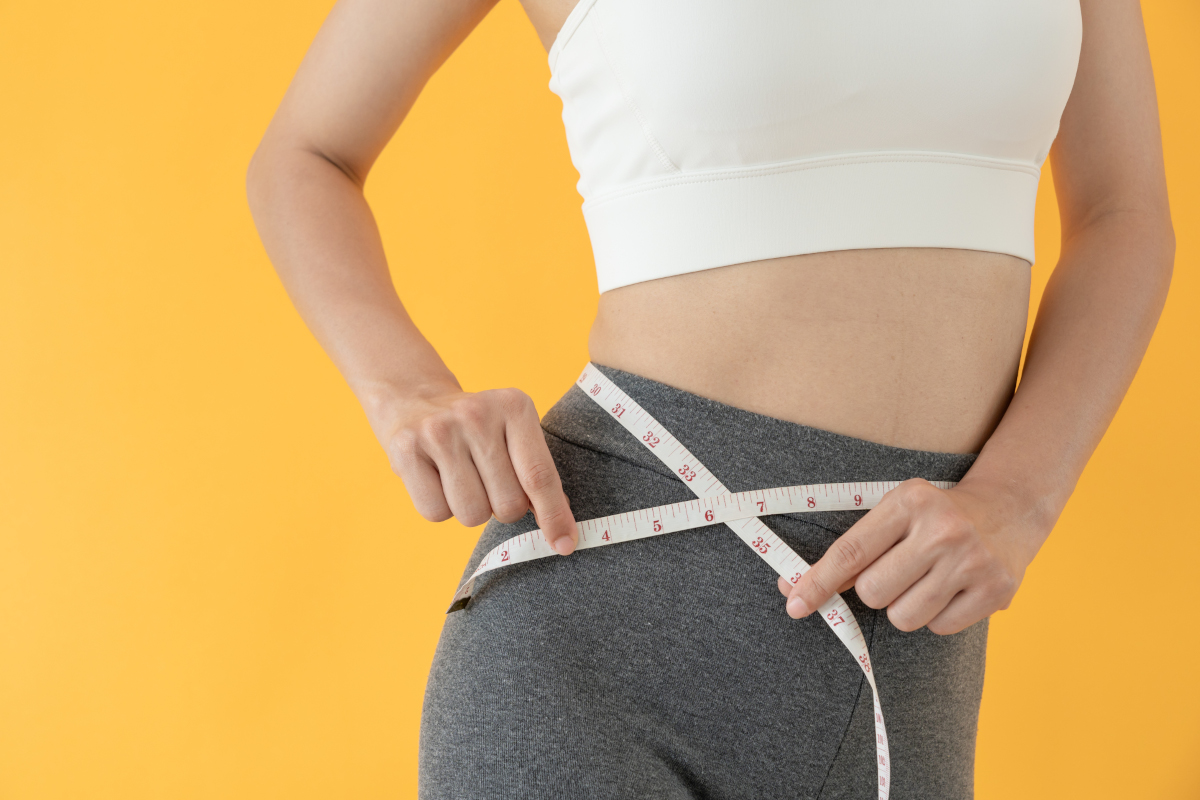
Scroll through any Invisalign forum or social media group and you will inevitably encounter posts about the "Invisalign diet" -- the phenomenon of patients losing weight during clear aligner treatment. Some call it an unexpected perk; others warn it can lead to unhealthy eating patterns. So what is actually going on? Is the Invisalign diet real, is it healthy, and should it factor into your treatment decision? This guide separates fact from fiction with data, expert insights, and practical nutrition advice for Invisalign patients in 2026.
Key Facts: Invisalign and Weight Loss
- • About 30-35% of Invisalign patients report some weight loss during treatment
- • Average reported loss: 5-15 pounds over the course of treatment
- • Weight loss is a side effect of behavior change, not a feature of the aligners
- • About 10-15% of patients actually gain weight during treatment
- • Nutritional deficiency is a real risk if eating habits become too restrictive
Why Some Patients Lose Weight During Invisalign
The so-called Invisalign diet is not a structured eating plan. It is a behavioral side effect of the treatment requirements. Here is the mechanism:
Invisalign aligners must be worn 20-22 hours per day. They must be removed before eating or drinking anything other than water. After eating, you need to brush your teeth (and ideally floss) before reinserting the aligners. This entire process -- removing aligners, eating, brushing, flossing, reinserting -- typically takes 20-30 minutes per meal.
For many patients, this routine creates what behavioral scientists call "friction" around eating. When you know that grabbing a snack means a 10-minute oral hygiene routine, you are far less likely to reach for that cookie, bag of chips, or handful of trail mix. The mindless grazing that contributes to excess calorie intake for many Americans effectively disappears.
The Key Behavioral Changes
- Eliminated snacking: Most patients consolidate eating into 2-3 structured meals, eliminating 200-500 calories of daily snacking.
- Reduced sugary drinks: Coffee with sugar, soda, and juice must be consumed with aligners out, which reduces consumption frequency.
- Mindful eating: The ritual of removing and reinserting aligners creates awareness around food choices and portion sizes.
- Reduced late-night eating: Many patients put aligners in after dinner and resist removing them for a nighttime snack.
- Less alcohol: Beer, wine, and cocktails require aligner removal, which reduces casual drinking for many patients.
What the Data Actually Shows
While there are no large-scale clinical trials specifically studying Invisalign and weight loss, several surveys and observational studies provide insight:
| Study/Survey | Sample Size | Finding |
|---|---|---|
| Align Technology patient survey (2024) | ~5,000 patients | 33% reported reduced snacking; 28% reported some weight loss |
| Journal of Clinical Orthodontics (2023) | 312 patients | Average 3.2 kg (7 lbs) loss over 12 months of treatment |
| British Dental Journal survey (2024) | 1,200 patients | 35% lost weight; 12% gained weight; 53% no change |
| Reddit r/Invisalign poll (2025) | ~8,500 respondents | 41% reported losing 5+ lbs; 15% reported gaining weight |
The data suggests a real but modest effect. Most patients who lose weight report 5-15 pounds over the 12-18 month treatment period -- roughly 0.5-1 pound per month. This is consistent with the caloric reduction that comes from eliminating 200-500 calories of daily snacking.
"I have patients tell me they lost weight on Invisalign all the time. It is real, but it is not magic -- it is simply that they stopped mindless snacking. The aligners created a built-in intermittent fasting structure that many people find easy to follow because there is a concrete reason to stick with it."
The Dark Side: When It Becomes Unhealthy
While reduced snacking can be a positive behavioral change, the Invisalign diet can cross into unhealthy territory. Some patients develop problematic eating patterns that can harm both their general health and their orthodontic treatment.
Warning: Skipping meals to maximize aligner wear time is counterproductive and potentially dangerous. Your body needs adequate nutrition -- especially calcium, vitamin D, and protein -- to support the bone remodeling process that moves teeth. Nutritional deficiency can actually slow orthodontic treatment and weaken tooth-supporting bone.
Problematic Patterns to Watch For
- Meal skipping: Some patients skip breakfast or lunch to avoid the aligner removal/reinsertion cycle, reducing total daily intake to unhealthy levels.
- Obsessive wear-time tracking: Anxiety about not hitting 22 hours can lead patients to eat too quickly or skip meals entirely.
- Calorie-dense compensation: Eating only 1-2 large, high-calorie meals to compensate for no snacking can lead to blood sugar spikes and energy crashes.
- Triggering disordered eating: For patients with a history of eating disorders, the structured eating rules of Invisalign can trigger restrictive behaviors. If you have a history of disordered eating, discuss this with your orthodontist before starting treatment.
- Dehydration: Some patients avoid drinking throughout the day because they do not want to remove aligners or worry about staining. Stay hydrated -- water is fine with aligners in.
The Weight Gain Side of the Story
Not everyone loses weight with Invisalign. About 10-15% of patients report gaining weight during treatment. This typically happens because:
- Larger meals: To compensate for no snacking, some patients eat much larger portions at meals.
- Quick, processed foods: The desire to minimize aligner-out time leads some patients to choose fast, calorie-dense foods they can eat quickly -- fast food, pizza, energy bars.
- Sugary drinks through straws: Some patients try to drink sweetened beverages through straws with aligners in (not recommended), adding hundreds of liquid calories.
- Comfort eating during discomfort: Pain with new trays can lead some patients to seek comfort in soft, high-calorie foods like ice cream and milkshakes.
| Habit | Impact on Weight | Impact on Treatment |
|---|---|---|
| 3 balanced meals, no snacking | Modest weight loss or maintenance | Positive -- good nutrition supports bone remodeling |
| Skipping meals for wear time | Unhealthy weight loss, energy crashes | Negative -- poor nutrition slows treatment |
| 2 large fast-food meals | Weight gain likely | Neutral to negative |
| Drinking sugary beverages with aligners in | Weight gain from liquid calories | Very negative -- sugar trapped against teeth causes decay |
| Balanced meals + protein-rich snack windows | Healthy maintenance | Positive -- optimal nutrition |
A Healthy Eating Plan for Invisalign Patients
Instead of letting the "Invisalign diet" happen to you by accident, take a proactive approach to nutrition during treatment. Here is a practical framework:
Recommended Meal Structure
- Breakfast (7:00-7:30 AM): Remove aligners. Eat a protein-rich breakfast (eggs, Greek yogurt, oatmeal with nuts). Brush, floss, reinsert. Total aligner-out time: 25-30 minutes.
- Lunch (12:00-12:30 PM): Remove aligners. Focus on lean protein, vegetables, and complex carbs. Brush, floss, reinsert. Total aligner-out time: 25-30 minutes.
- Dinner (6:30-7:15 PM): Remove aligners. Enjoy your most substantial meal. Take your time. Brush, floss, reinsert. Total aligner-out time: 30-45 minutes.
- Optional snack window: If needed, add a 15-minute snack window (mid-afternoon) with a protein bar, fruit, or nuts.
This schedule keeps aligner-out time to approximately 1.5-2 hours per day, well within the recommended range. For more detailed food guidance, see our article on eating with Invisalign.
Nutrients Critical for Orthodontic Treatment
- • Calcium (1,000 mg/day): Supports bone remodeling needed for tooth movement
- • Vitamin D (600-1,000 IU/day): Essential for calcium absorption
- • Protein (0.8-1.0 g/kg body weight): Required for tissue repair and immune function
- • Vitamin C (65-90 mg/day): Supports gum health and collagen production
- • Water (8+ glasses/day): Can be consumed freely with aligners in place
"When patients tell me they are skipping meals to hit their wear-time targets, I correct them immediately. Your body is doing serious biological work during orthodontic treatment -- bone is being remodeled, tissues are adapting. That process requires fuel. Three proper meals a day is non-negotiable."
NYC Lifestyle and Eating Tips
New York City's dining culture can make Invisalign eating routines either easier or harder, depending on how you approach it. Here are NYC-specific strategies:
- Meal prep: NYC apartment kitchens are small, but even basic meal prep (overnight oats, pre-cut vegetables, portioned proteins) reduces the temptation to skip meals or grab something fast and unhealthy.
- Office eating: If you work in a Manhattan office, find a private spot to remove aligners and eat. Many offices have wellness rooms or quiet areas. Keep a dental hygiene kit at your desk.
- Dining out: NYC restaurants are a huge part of city life. Do not avoid them -- just plan your aligner-out time around meals and keep your case handy.
- Deli and bodega meals: NYC bodegas are great for quick, reasonably nutritious options -- salads, wraps, hard-boiled eggs, and fruit are available on nearly every block.
- Water access: NYC tap water is excellent quality. Carry a refillable bottle and drink freely with aligners in throughout the day.
The Bottom Line
The Invisalign diet is a real phenomenon, but it is not a weight loss program. It is a behavioral side effect of wearing aligners 20-22 hours per day. For some patients, the reduced snacking leads to modest, healthy weight loss. For others, it can trigger problematic eating patterns or even weight gain from compensatory behaviors. The key is to approach nutrition during Invisalign treatment intentionally -- eating structured, balanced meals that support both your general health and your orthodontic treatment.
If you are considering Invisalign and have questions about how it will fit into your lifestyle, an experienced orthodontist can address your concerns. For more on the pros and cons of Invisalign, check our comprehensive guide.
Frequently Asked Questions
Some patients do report modest weight loss during Invisalign treatment -- surveys suggest roughly 30-35% of patients lose 5-15 pounds. However, this is a side effect of changed eating habits, not a designed feature of the treatment. The weight loss occurs because removing and reinserting aligners creates friction that discourages casual snacking.
Reduced snacking can be beneficial, but the Invisalign diet is not a structured nutrition plan. Some patients skip meals or reduce caloric intake too much, which can lead to nutritional deficiencies, low energy, and even slowed orthodontic treatment due to poor bone metabolism. Focus on eating balanced, nutritious meals during your designated eating windows.
Yes, some patients actually gain weight during Invisalign treatment. This can happen when patients compensate for reduced snacking by eating larger meals, choosing calorie-dense foods they can eat quickly, or consuming more sugary drinks (which they can drink through a straw with aligners in). About 10-15% of patients report gaining weight.
No. Invisalign is an orthodontic treatment designed to straighten teeth, not a weight loss program. If you happen to develop healthier eating habits during treatment, that is a positive side effect. But choosing Invisalign primarily for weight loss is not medically appropriate. Consult a nutritionist or physician for legitimate weight management strategies.
Plan 3 structured meals per day with designated aligner-out times of 20-30 minutes each. Focus on nutrient-dense foods including protein, healthy fats, fruits, vegetables, and whole grains. Stay hydrated with water throughout the day (you can drink water with aligners in). Consider a multivitamin if you are eating less than usual. Avoid skipping meals to maximize wear time.
Sources
1. Align Technology. Patient Experience Survey: Lifestyle Changes During Invisalign Treatment, 2024.
2. Journal of Clinical Orthodontics. "Dietary Changes and Weight Fluctuation in Clear Aligner Patients." Vol. 58, Issue 8, 2023.
3. British Dental Journal. "Patient-Reported Outcomes in Orthodontic Treatment: Diet, Weight, and Quality of Life." Vol. 237, Issue 4, 2024.
4. American Journal of Clinical Nutrition. "Intermittent Eating Patterns and Metabolic Health: A Review." Vol. 119, Issue 3, 2024.
5. National Institutes of Health (NIH). Dietary Reference Intakes for Calcium, Vitamin D, and Protein, 2025.
6. Journal of Dental Research. "Nutritional Status and Orthodontic Tooth Movement: A Systematic Review." Vol. 104, Issue 6, 2025.
7. International Journal of Eating Disorders. "Dental Appliances as Triggers for Eating Disorder Behaviors." Vol. 58, Issue 2, 2025.
Ready to Start Your Invisalign Journey?
An experienced NYC orthodontist can create a treatment plan that fits your lifestyle, dietary preferences, and smile goals.
Find a Provider in NYC