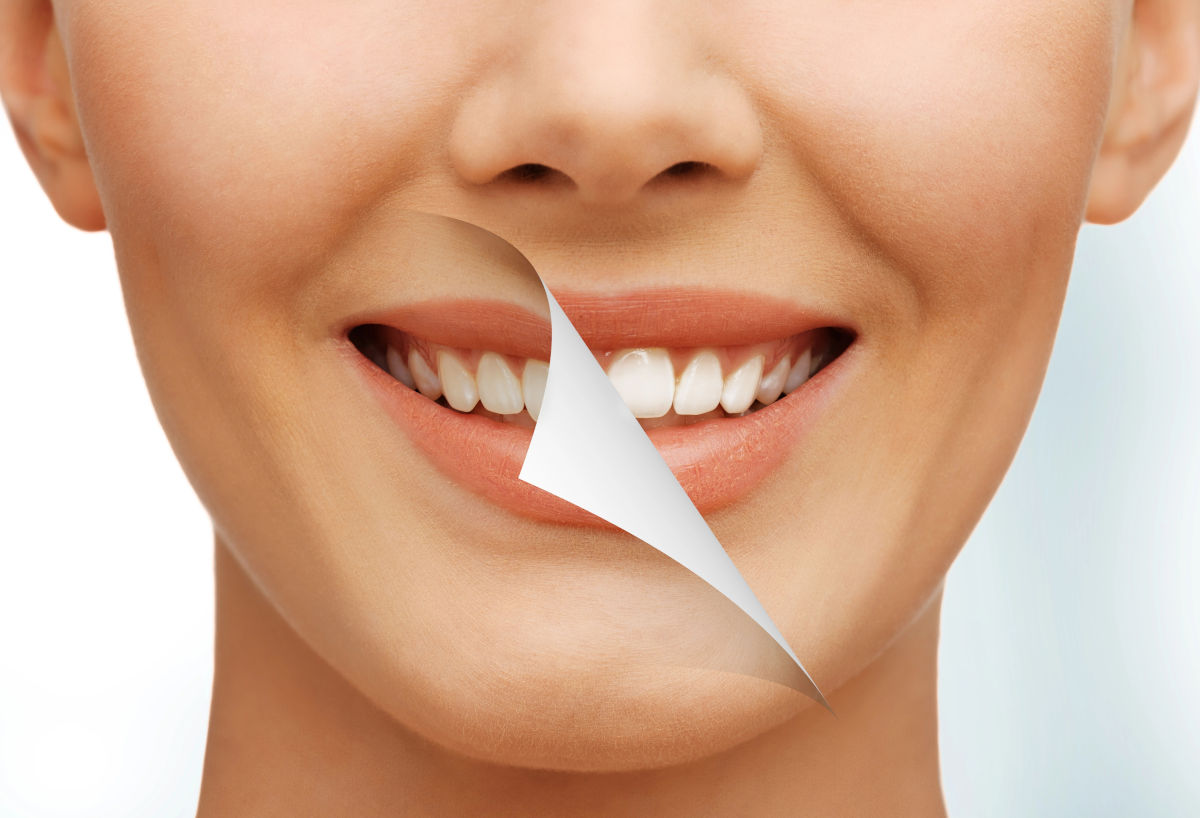
Teeth Whitening in 2026: Methods, Cost & What Actually Works (NYC Guide)
Teeth whitening is the most requested cosmetic dental procedure in the United States, and New Yorkers are no exception. But with dozens of products and methods claiming dramatic results, separating genuine science from marketing hype is challenging. From professional in-office treatments costing $500-$1,200 to over-the-counter kits at $30-$70, the whitening landscape in 2026 offers options at every price point. This guide evaluates what actually works, what is safe, and what delivers the best value for NYC patients.
Key Takeaways: Teeth Whitening in 2026
- • Most effective: In-office professional whitening (4-8 shades in one visit)
- • Best value: Custom take-home trays from your dentist ($300-$600)
- • Budget option: Whitening strips ($30-$70, 2-4 shades improvement)
- • Results duration: 6-12 months without touch-ups; longer with maintenance
- • Safety: FDA-approved products are safe when used as directed
- • Not effective on: Crowns, veneers, fillings, or tetracycline staining
How Teeth Whitening Actually Works
All effective whitening methods rely on the same active ingredient: peroxide. Hydrogen peroxide (H2O2) or its precursor carbamide peroxide penetrates the enamel's microscopic pores and reaches the dentin layer beneath, where most staining compounds reside. The peroxide breaks apart chromophore molecules (the colored compounds causing discoloration) through an oxidation reaction, converting them into smaller, colorless fragments.
The difference between professional and over-the-counter products lies primarily in concentration and contact time. In-office treatments use 25-40% hydrogen peroxide applied for 15-20 minutes per cycle (typically 2-3 cycles per session). Take-home professional trays use 10-22% carbamide peroxide worn for 30 minutes to overnight. OTC strips use 6-10% hydrogen peroxide applied for 30 minutes daily. Higher concentration means faster results but also greater risk of sensitivity.
All Whitening Methods Compared
| Method | Active Ingredient | Shade Improvement | Treatment Time | NYC Cost (2026) |
|---|---|---|---|---|
| In-office (Zoom, KoR) | 25-40% hydrogen peroxide | 4-8 shades | 60-90 min (1 visit) | $500-$1,200 |
| Custom take-home trays | 10-22% carbamide peroxide | 4-8 shades | 2-4 weeks daily | $300-$600 |
| OTC whitening strips | 6-10% hydrogen peroxide | 2-4 shades | 14-21 days daily | $30-$70 |
| LED whitening kits | Varies (often low-concentration peroxide) | 1-3 shades | 10-30 min daily, 1-2 weeks | $50-$200 |
| Whitening toothpaste | Mild abrasives, low-dose peroxide | 1-2 shades (surface only) | Ongoing daily use | $5-$15 |
| Whitening pen | 6-12% hydrogen peroxide | 1-2 shades | 2-4 weeks daily | $15-$45 |
Professional vs Over-the-Counter: What is the Difference?
The key distinction between professional whitening and OTC products is not just concentration -- it is customization and safety oversight.
Professional whitening (in-office or take-home trays) begins with a dental examination to rule out cavities, gum disease, and existing restorations that whitening cannot change. Custom trays are fabricated from impressions of your teeth, ensuring even gel distribution and preventing the whitening agent from contacting gum tissue. The dentist selects the appropriate concentration based on your stain type and sensitivity level. This personalized approach is why professional results are more predictable and consistent.
Over-the-counter products use a one-size-fits-all approach. Strips may not cover all teeth evenly, especially if teeth are crowded or misaligned. Generic trays included in LED kits allow gel to leak onto gums, causing irritation. The lower peroxide concentrations mean slower results and potentially less dramatic outcomes. That said, for patients with mild staining and no dental issues, quality OTC products like Crest 3D Whitestrips (the most clinically studied OTC whitening product) can deliver noticeable improvement at a fraction of the professional cost.
"The biggest mistake I see is patients whitening without a dental exam first. If you have an unfilled cavity, the peroxide can penetrate the nerve and cause severe pain. If you have gum recession, exposed root surfaces will become extremely sensitive. A 10-minute screening before whitening prevents these problems entirely."
Types of Tooth Stains and What Whitening Can Fix
Not all discoloration responds equally to whitening. Understanding the type of stain you have sets realistic expectations:
Extrinsic stains (surface level): Caused by coffee, tea, red wine, tobacco, and dark-colored foods. These are the easiest to remove and respond well to all whitening methods, including OTC products. Intrinsic stains (within the tooth structure): Caused by aging, fluorosis, or early antibiotic exposure (tetracycline). These require higher-concentration professional treatment and may need multiple sessions. Severe tetracycline staining may not fully resolve with whitening alone -- veneers may be a better option. Age-related staining: A combination of extrinsic accumulation and natural thinning of enamel (which reveals the yellowish dentin beneath). This type responds well to professional whitening but may require maintenance treatments.
| Stain Type | Common Causes | Whitening Effectiveness | Best Treatment |
|---|---|---|---|
| Extrinsic (surface) | Coffee, tea, wine, tobacco | Excellent | Any method works well |
| Intrinsic (mild) | Aging, mild fluorosis | Good | Professional whitening |
| Intrinsic (moderate) | Moderate fluorosis, early tetracycline | Moderate | KoR or extended tray whitening |
| Intrinsic (severe) | Severe tetracycline banding | Limited | Veneers or bonding |
| Restorations | Old fillings, crowns, veneers | None (does not change) | Replace restorations after whitening |
Warning: Teeth whitening does not change the color of crowns, veneers, fillings, or bonding. If you have visible restorations on front teeth, whitening your natural teeth may create a color mismatch. The solution is to whiten first, wait 2 weeks for color to stabilize, then replace restorations to match the new shade.
Safety and Side Effects
When used according to instructions, teeth whitening is one of the most well-studied cosmetic procedures in dentistry. The two most common side effects are tooth sensitivity (experienced by 40-70% of patients during treatment) and gum irritation (caused by gel contacting soft tissue). Both are temporary and resolve within 1-3 days after treatment ends.
Enamel safety: Multiple peer-reviewed studies confirm that peroxide-based whitening does not cause permanent enamel damage when used at recommended concentrations and durations. The enamel temporarily becomes slightly more porous during treatment but remineralizes fully within 7-10 days, especially with fluoride use. Risks of overuse: Excessive whitening (sometimes called "bleaching addiction" or "bleachorexia") can cause chronic sensitivity, enamel thinning, and a translucent, blue-gray appearance to the teeth. Follow your dentist's recommended frequency for touch-ups.
"Whitening is safe if you respect the science. The danger comes from patients who assume more is better -- using strips daily for months, stacking multiple products, or buying unregulated gels with unknown concentrations from overseas sellers. Stick to ADA-accepted products and follow the directions, and you will get great results without risk."
Teeth Whitening Cost in NYC: Full Comparison
For a deep dive into pricing across all methods, see our dedicated teeth whitening cost guide. Here is a quick summary of what NYC patients can expect to pay in 2026:
In-office professional: $500-$1,200 per session (Zoom averages $600-$900; KoR averages $800-$1,200). Custom take-home trays: $300-$600 (includes custom tray fabrication and professional-grade gel). OTC whitening strips: $30-$70 per 2-week supply. LED kits: $50-$200. Whitening toothpaste: $5-$15. Note that teeth whitening is considered cosmetic and is not covered by dental insurance. However, FSA and HSA accounts can typically be used if your dentist provides a prescription.
How to Maintain Your Whitening Results
The investment in whitening pays off longer when you follow smart maintenance habits:
Tips to Maintain White Teeth Longer
- • Drink coffee, tea, and red wine through a straw to minimize contact with front teeth
- • Rinse your mouth with water after consuming staining foods or beverages
- • Use a whitening toothpaste (ADA-accepted) for daily maintenance
- • Touch up with take-home trays 1-2 nights per month
- • Get professional dental cleanings every 6 months to remove surface stains
- • Avoid tobacco products -- the single biggest cause of tooth staining
Frequently Asked Questions
In-office professional whitening (Zoom, KoR, or Opalescence Boost) delivers the most dramatic results — typically 4-8 shades lighter in a single 60-90 minute session. For the best long-term results, many dentists recommend combining in-office treatment with custom take-home trays for maintenance. Take-home trays alone are the most cost-effective professional option, achieving similar final results over 2-4 weeks.
In New York City in 2026, in-office professional whitening costs $500-$1,200 per session. Custom take-home tray kits from a dentist cost $300-$600. Over-the-counter whitening strips cost $30-$70 per box, and LED whitening kits range from $50-$200. Manhattan prices tend to be 15-25% higher than Brooklyn or Queens. See our detailed cost comparison for all methods.
When used as directed, teeth whitening is safe and does not damage enamel. The active ingredients (hydrogen peroxide or carbamide peroxide) temporarily open the pores of enamel to break down stain molecules within the tooth structure. Enamel remineralizes naturally after treatment. However, overuse of whitening products or using non-FDA-approved products can cause enamel erosion and increased sensitivity. Always follow product instructions or your dentist's recommendations.
Professional whitening results typically last 6-12 months before touch-ups are needed, though this varies based on diet and habits. Coffee, tea, red wine, and tobacco are the biggest culprits for re-staining. Patients who use take-home trays for periodic maintenance (1-2 nights per month) can maintain results for 1-2 years or longer. Over-the-counter strips may need more frequent reapplication, typically every 3-6 months.
Yes, but you should take precautions. Use a lower concentration formula (10-15% carbamide peroxide instead of 35-40% hydrogen peroxide), apply desensitizing gel or toothpaste containing potassium nitrate for 2 weeks before whitening, and shorten treatment sessions. Custom take-home trays with a lower concentration are often better tolerated than high-intensity in-office treatments. Your dentist can customize a protocol for sensitive teeth.
Sources
1. American Dental Association, "Tooth Whitening/Bleaching: Treatment Considerations for Dentists and Their Patients," ADA Council on Scientific Affairs, 2024.
2. Carey CM, "Tooth whitening: what we now know," Journal of Evidence-Based Dental Practice, 2014; 14 Suppl:70-76.
3. Li Y, Greenwall L, "Safety issues of tooth whitening using peroxide-based materials," British Dental Journal, 2013; 215(1):29-34.
4. Joiner A, Luo W, "Tooth colour and whiteness: A review," Journal of Dentistry, 2017; 67S:S3-S10.
5. U.S. Food and Drug Administration, "Tooth Whitening Products," FDA Consumer Information, 2024.
6. Kelleher M, "Dental bleaching," Quintessence International, 2020; 51(3):190-197.
7. Demarco FF, Meireles SS, Masotti AS, "Over-the-counter whitening agents: a concise review," Brazilian Oral Research, 2009; 23 Suppl 1:64-70.
8. American Academy of Cosmetic Dentistry, "State of Cosmetic Dentistry Survey," AACD, 2025.
Ready for a Brighter Smile in NYC?
Find cosmetic dentists offering professional teeth whitening services across Manhattan, Brooklyn, Queens, and beyond.
Find a Provider in NYC