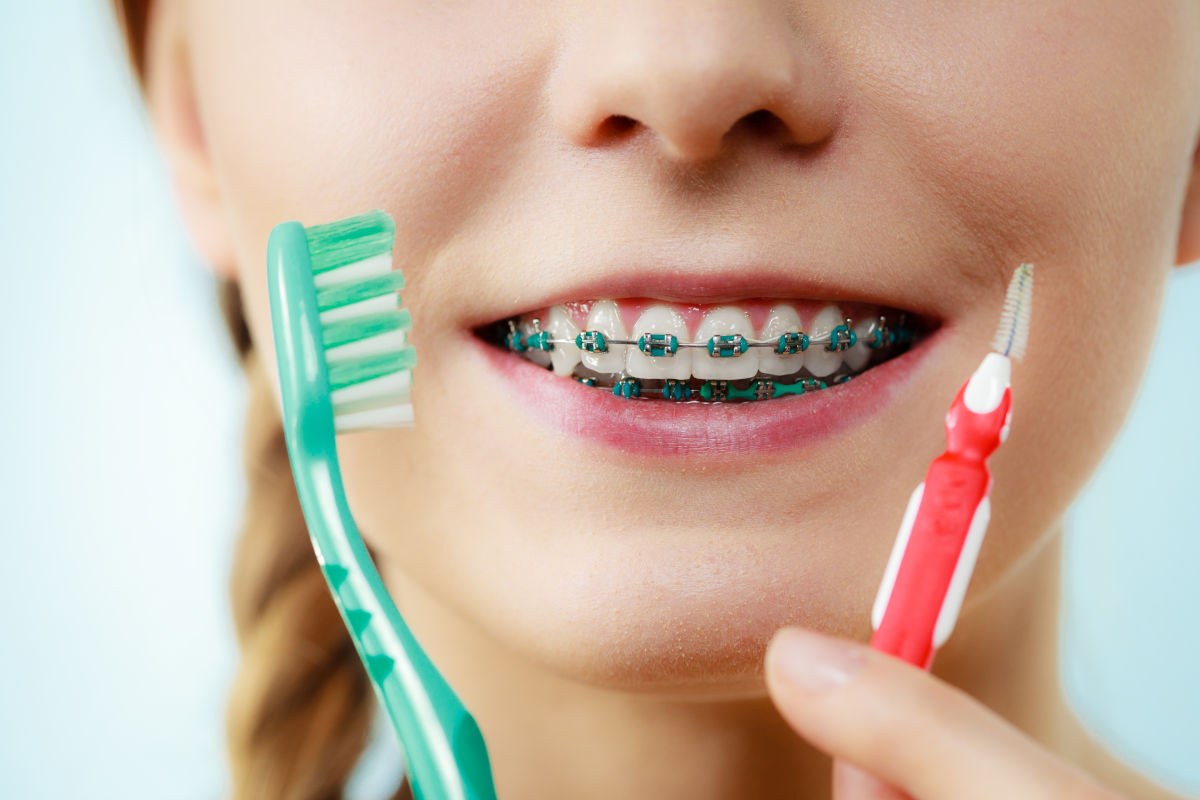
How to Brush Teeth With Braces: Complete Oral Hygiene Guide (2026)
Keeping your teeth clean with braces requires more time, more tools, and more technique than brushing without them -- but the payoff is enormous. Poor oral hygiene during orthodontic treatment can cause permanent white spot lesions, cavities, gum disease, and bad breath that no amount of straight teeth can fix. This guide walks you through the exact brushing technique, flossing methods, best tools, and daily routine that orthodontists recommend for patients with braces in 2026.
Essential Oral Hygiene Rules With Braces
- • Brush 3+ times daily: After every meal, minimum 2 minutes each time
- • Floss daily: Using a threader, orthodontic flosser, or water flosser
- • Use interdental brushes: Clean around each bracket and under the archwire
- • Fluoride rinse at bedtime: Extra protection against white spots
- • Dental cleanings every 3-4 months: More frequent than the standard 6-month schedule
Why Oral Hygiene Matters More With Braces
Braces create dozens of new surfaces where food and plaque can accumulate. Every bracket, archwire, elastic tie, and band creates a nook or crevice that traps bacteria-laden plaque. When plaque sits on tooth enamel and produces acid, it demineralizes the enamel -- and if this process is not interrupted by regular cleaning, the damage becomes permanent.
The most dreaded consequence is white spot lesions (WSLs) -- chalky white marks that appear on the tooth surface around where brackets were bonded. Studies show that up to 50% of orthodontic patients develop at least one white spot lesion during treatment, but nearly all of these cases are linked to inadequate brushing. WSLs are permanent, visible after braces are removed, and expensive to treat cosmetically. The good news: they are almost entirely preventable with consistent oral hygiene.
"I have seen patients spend $7,000 on beautiful orthodontic results, only to be devastated by white spots on their front teeth when the brackets come off. These marks were 100% preventable. I cannot stress enough: the few extra minutes you spend brushing each day will save you from permanent damage that no whitening product can fully reverse."
Step-by-Step Brushing Technique
Proper brushing with braces takes 3-4 minutes per session -- roughly twice as long as brushing without braces. Here is the orthodontist-recommended technique.
Step 1: Rinse First
Before brushing, rinse your mouth vigorously with water for 15-20 seconds. This dislodges large food particles trapped in the brackets and wires, making brushing more effective. You can also use a pre-rinse mouthwash if desired.
Step 2: Angle Your Toothbrush at 45 Degrees
Hold your toothbrush at a 45-degree angle to the gum line. Brush the area between the gum and the top of each bracket using small circular or short back-and-forth strokes. This cleans the triangle of tooth surface above the bracket that is most vulnerable to plaque accumulation and white spot formation.
Step 3: Brush the Bracket Surface Directly
Angle the brush to clean the bracket itself and the archwire. Gently work the bristles around the edges of each bracket, the wire, and the elastic ties. Food and plaque love to hide in the small gaps between the bracket and the tooth.
Step 4: Brush Below the Brackets
Tilt your brush upward (for lower teeth) or downward (for upper teeth) to clean the tooth surface between the bracket and the biting edge of the tooth. This area is often missed and is another common site for plaque buildup.
Step 5: Brush Chewing and Inner Surfaces
Brush the chewing surfaces (occlusal) and inner surfaces (lingual) of all teeth thoroughly, just as you would without braces. Do not neglect these surfaces -- cavities can develop anywhere, and the tongue side of the teeth needs attention even though there are no brackets there (unless you have lingual braces, which require special lingual-side cleaning techniques).
Step 6: Check Your Work
After brushing, look in a mirror and smile. Check each bracket: the tooth surface above and below should be clean and shiny, not fuzzy or coated. The brackets themselves should look polished. If you see any areas of remaining plaque, re-brush those spots. Some patients find that plaque-disclosing tablets (available at pharmacies) help identify missed areas by temporarily staining plaque a bright color.
Warning: Do not brush too aggressively. Heavy pressure can damage bracket adhesive, cause gum recession, and wear down enamel. Use gentle, consistent pressure and let the brush bristles do the work. If your toothbrush bristles splay out within 2-3 weeks, you are pressing too hard.
Best Tools for Cleaning With Braces
The right tools make braces hygiene significantly easier and more effective. Here is what orthodontists recommend and why.
| Tool | Purpose | Recommended Brands | NYC Cost |
|---|---|---|---|
| Electric toothbrush | Primary brushing (42% better plaque removal) | Oral-B iO, Sonicare DiamondClean | $60-$200 |
| Interdental brushes | Clean around brackets and under wires | TePe, GUM Proxabrush, Oral-B | $4-$8 per pack |
| Water flosser | Flush debris from hard-to-reach areas | Waterpik Aquarius, Waterpik Sonic | $50-$100 |
| Floss threaders | Thread floss under archwire | Oral-B, GUM Eez-Thru | $3-$5 per pack |
| Orthodontic flossers | Pre-threaded floss for braces | Platypus Orthodontic Flosser | $5-$8 per pack |
| Fluoride mouth rinse | Strengthen enamel, prevent white spots | ACT Anticavity, CariFree | $5-$12 per bottle |
Electric vs Manual Toothbrush: Which Is Better?
While a manual soft-bristled toothbrush can do an adequate job with proper technique, electric toothbrushes consistently outperform manual brushes in clinical studies for braces patients. A 2025 study in the Journal of Clinical Orthodontics found that patients using oscillating-rotating electric brushes (like Oral-B iO) had 42% less plaque around brackets compared to manual brush users, and 38% lower rates of gingivitis.
Sonic toothbrushes (like Philips Sonicare) perform comparably, with the added benefit of fluid dynamics that help disrupt plaque in areas the bristles do not directly contact. Either type is a worthwhile investment during orthodontic treatment. The Oral-B iO Series with an orthodontic brush head is a popular choice among NYC orthodontists.
If using a manual toothbrush, choose one with soft bristles and a compact head that can maneuver around brackets. Replace it every 6-8 weeks, as braces wear down bristles faster than normal use.
How to Floss With Braces
Flossing with braces is more time-consuming than regular flossing, but it is essential. Brackets and wires prevent standard floss from accessing the spaces between teeth normally, so you need special techniques or tools.
Method 1: Floss Threader
A floss threader is a thin, flexible loop (like a sewing needle for floss) that helps you guide regular floss under the archwire. Thread 18 inches of floss through the loop, slide the threader under the wire between two teeth, then floss normally by wrapping the floss around each tooth in a C-shape and sliding up and down. Repeat for every gap. This method is thorough but takes 10-15 minutes for a full mouth.
Method 2: Orthodontic Flossers
Pre-threaded orthodontic flossers (like the Platypus Flosser) are specifically designed to slide under archwires without a separate threader. They cut flossing time roughly in half compared to threaders. For teens and kids who find floss threaders frustrating, orthodontic flossers can dramatically improve compliance.
Method 3: Water Flosser
A water flosser (Waterpik is the most studied brand) uses a targeted stream of pulsating water to flush food debris and plaque from between teeth and around brackets. Studies show that water flossers are up to 3 times more effective at removing plaque around orthodontic brackets than traditional floss. However, most orthodontists recommend using a water flosser as a supplement to, not a replacement for, string flossing or orthodontic flossers.
"If I could choose only one tool to give my braces patients beyond a toothbrush, it would be a Waterpik. The pulsating water stream reaches areas that even the most diligent flosser misses. I have seen a dramatic reduction in gingivitis and decalcification in patients who use a water flosser daily."
The Complete Daily Oral Hygiene Routine
Here is the complete morning, after-meal, and nighttime routine that orthodontists recommend for braces patients.
Daily Braces Hygiene Routine
- • Morning: Brush (3-4 min) + interdental brushes + water flosser
- • After lunch: Brush (2-3 min) + rinse with water if no brush available
- • After dinner: Brush (3-4 min) + interdental brushes
- • Before bed: Floss (threader or ortho flosser) + water flosser + fluoride rinse
- • Total daily time: 15-20 minutes (worth every second)
Preventing White Spot Lesions
White spot lesions are the single biggest hygiene-related risk during braces treatment. They appear as permanent chalky or opaque white marks on the tooth enamel, typically around where the bracket was bonded. They result from localized enamel demineralization caused by bacterial acid from plaque that was not adequately removed during treatment.
Prevention requires a multi-pronged approach: thorough brushing after every meal, daily flossing, nightly fluoride mouth rinse (0.05% sodium fluoride, such as ACT Anticavity), limiting sugary and acidic foods and drinks, and professional cleanings every 3-4 months. Some orthodontists also apply fluoride varnish or MI Paste (a calcium-phosphate paste) at adjustment appointments for extra protection.
| Risk Factor | Impact on White Spots | Prevention Strategy |
|---|---|---|
| Infrequent brushing | Primary cause -- plaque acid attacks enamel | Brush after every meal (3+ times/day) |
| No flossing | Plaque accumulates between teeth | Floss daily with threader or ortho flosser |
| Sugary diet | Feeds bacteria that produce acid | Limit soda, candy, juice; rinse after |
| No fluoride exposure | Enamel lacks remineralization support | Fluoride rinse nightly; fluoride toothpaste |
| Skipping dental cleanings | Calculus buildup traps more plaque | Cleanings every 3-4 months during treatment |
Warning: White spot lesions can develop in as little as 4 weeks of poor oral hygiene. Once established, they are permanent -- whitening treatments can reduce but not eliminate them. The cost of cosmetic treatment (bonding or veneers) to address white spots ranges from $300-$2,000 per tooth. Prevention through daily hygiene is far easier and cheaper.
Common Brushing Mistakes to Avoid
Even patients who brush regularly can undermine their efforts with these common mistakes.
Brushing too fast: A 30-second scrub is not enough. Set a timer for 3-4 minutes and systematically cover every surface of every tooth. Many electric toothbrushes have built-in 2-minute timers with 30-second quadrant alerts -- add an extra minute for the bracket areas.
Skipping the gum line: The area where the gum meets the tooth (above the bracket on upper teeth, below the bracket on lower teeth) is the most critical zone for plaque removal. This is where white spots and gingivitis develop first.
Not replacing the toothbrush frequently enough: Braces shred toothbrush bristles faster than normal. Replace your brush or brush head every 6-8 weeks (vs the standard 12 weeks) to maintain cleaning effectiveness.
Using hard-bristled brushes: Hard bristles can damage bracket adhesive and cause gum recession. Always use soft or extra-soft bristles.
Forgetting to clean the archwire area: Run your interdental brush horizontally along the archwire between each bracket to remove trapped food and plaque. This is a commonly neglected area.
Cleaning on the Go: School and Work Tips
Brushing after every meal is the goal, but it is not always practical at school, work, or social events. Here is how to maintain hygiene when you cannot do a full cleaning.
Carry a braces care kit: A small pouch with a travel toothbrush, mini tube of toothpaste, interdental brush, wax, and a mirror fits easily in a bag or locker. For teens, keeping a kit in their school locker ensures access after lunch.
Rinse vigorously with water: When brushing is not possible, rinse your mouth with water for 30-60 seconds. Swish aggressively to dislodge food particles from brackets and wires. This is not a substitute for brushing but significantly reduces the time that food sits against enamel.
Chew sugar-free gum: Sugar-free gum (especially xylitol-sweetened) stimulates saliva production, which naturally buffers acid and rinses teeth. However, only chew sugar-free gum that your orthodontist approves -- some sticky gums can damage brackets.
A Note on Invisalign Hygiene
If you have Invisalign rather than fixed braces, oral hygiene is significantly simpler: remove the aligners, brush and floss normally, clean the aligners, and replace them. There are no brackets to clean around. For detailed aligner cleaning protocols, see our Invisalign cleaning guide. For patients choosing between braces and Invisalign, the hygiene difference is a meaningful factor -- read our comparison guide for more.
Frequently Asked Questions
You should brush at least 3 times a day with braces -- after every meal. If possible, brush after snacks as well. Food trapped around brackets creates an acidic environment that can cause cavities and white spot lesions within weeks. If brushing is not possible after a meal (such as at school or work), rinse your mouth thoroughly with water as a temporary measure until you can brush properly.
Yes, research consistently shows that electric toothbrushes (both oscillating like Oral-B and sonic like Sonicare) remove significantly more plaque around brackets than manual brushing. A 2025 study in the Journal of Clinical Orthodontics found that electric toothbrush users had 42% less plaque accumulation around brackets than manual brush users. Either type works, but electric is recommended for best results.
Standard floss requires a floss threader to pass under the archwire before flossing between teeth. Thread the floss through the threader, slide it under the wire, floss normally between two teeth, remove, and repeat for each gap. Alternatives include orthodontic flossers (Platypus brand), dental tape, and water flossers (Waterpik). Most orthodontists recommend a water flosser as a daily supplement to traditional flossing.
White spot lesions are chalky white marks on tooth enamel caused by demineralization from plaque acid. They commonly appear around brackets in patients with poor oral hygiene during braces. They are permanent and difficult to treat after braces removal. Prevention requires thorough brushing, daily flossing, fluoride mouth rinse at bedtime, limiting sugary foods, and regular dental cleanings every 3-4 months during treatment.
Absolutely. You should see your general dentist for cleanings every 3-4 months during orthodontic treatment (more frequently than the standard 6-month interval). Braces create additional plaque-trapping surfaces that even excellent home care cannot fully address. Your dentist or hygienist will clean around the brackets, check for early signs of decay, and apply fluoride treatments to strengthen enamel.
Sources
1. Journal of Clinical Orthodontics, "Electric vs Manual Toothbrushing During Fixed Orthodontic Treatment: A Randomized Controlled Trial," 2025.
2. American Journal of Orthodontics and Dentofacial Orthopedics, "White Spot Lesion Prevention: A Comprehensive Review of Evidence-Based Strategies," Vol. 169, 2026.
3. Journal of Dental Hygiene, "Efficacy of Water Flossers in Orthodontic Patients: A Systematic Review," Vol. 100, 2025.
4. Waterpik/Water Pik Inc., "Clinical Research Summary: Orthodontic Applications," 2025.
5. American Dental Association (ADA), "Oral Hygiene Recommendations for Orthodontic Patients," Council on Scientific Affairs, 2025.
6. European Journal of Orthodontics, "Incidence and Risk Factors of White Spot Lesions During Fixed Appliance Treatment: A Prospective Cohort Study," Vol. 48, 2025.
7. Caries Research, "Fluoride Rinse Effectiveness in Preventing Demineralization Around Orthodontic Brackets," Vol. 59, 2025.
8. Oral-B/Procter & Gamble, "iO Series Orthodontic Performance Data," 2026.
Starting Braces? Find an NYC Orthodontist Who Prioritizes Hygiene
The best orthodontists educate patients on oral care and monitor hygiene at every visit. Find a top-rated provider in your neighborhood.
Find a Provider in NYC