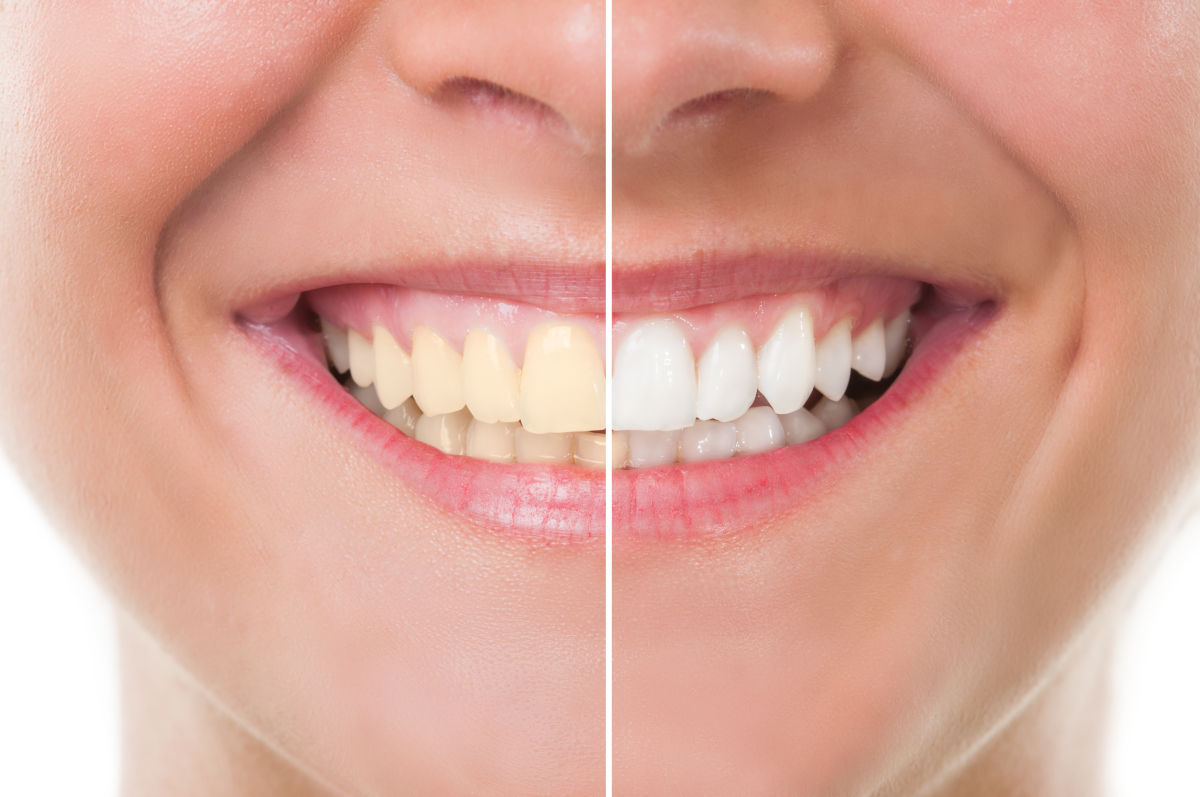
Yellow Teeth: Causes, Treatments & Prevention Tips (2026)
In a city where first impressions matter -- from job interviews in Midtown to dates in the West Village -- yellow teeth are one of the most common cosmetic concerns patients bring to NYC dentists. The good news: in 2026, there are more effective, affordable, and accessible whitening options than ever before. But understanding why your teeth are yellow is the essential first step, because the cause determines which treatment will actually work. This guide covers every cause, every treatment option, and realistic expectations for results.
Key Takeaways: Yellow Teeth in 2026
- • Two types: Extrinsic stains (surface, removable) vs intrinsic discoloration (internal, requires treatment)
- • Top causes: Coffee/tea/wine, aging, genetics, smoking, medications, and thin enamel
- • NYC whitening cost: $30-$70 (OTC strips) to $400-$800 (professional in-office)
- • Fastest option: In-office whitening (1 session, 3-8 shades lighter)
- • Most permanent: Porcelain veneers ($1,200-$2,500/tooth in NYC)
- • Insurance: Whitening is cosmetic and NOT covered by dental insurance
Understanding Tooth Color: Extrinsic vs Intrinsic Staining
To understand why teeth turn yellow, you need to understand tooth anatomy. Each tooth has three layers: the outer enamel (translucent white), the underlying dentin (naturally yellowish), and the inner pulp. The visible color of your teeth is a combination of the enamel's surface condition and the dentin's shade showing through.
Extrinsic stains sit on the surface of the enamel. They are caused by external factors like food, drink, and tobacco. These stains are generally easier and less expensive to remove -- professional cleanings, whitening toothpaste, and over-the-counter whitening strips can address them effectively.
Intrinsic discoloration originates from within the tooth structure. It occurs when the dentin itself is discolored or the enamel is thin enough that the yellow dentin shows through prominently. Intrinsic discoloration requires professional whitening treatments or cosmetic restorations (veneers, bonding) to correct.
Causes of Yellow Teeth
1. Food and Drink Staining
Certain foods and beverages are notorious for staining teeth. The compounds responsible are called chromogens -- intensely pigmented molecules that adhere to enamel, especially when combined with tannins (which enhance binding).
The biggest culprits for NYC professionals who rely on their daily coffee habit:
- Coffee: Contains tannins and chromogens; daily consumption is the #1 staining habit in NYC
- Tea: Black tea stains even more than coffee due to higher tannin content
- Red wine: Contains chromogens, tannins, and acid -- a triple threat for staining
- Dark berries: Blueberries, blackberries, pomegranates
- Tomato sauce, curry, soy sauce: Deeply pigmented condiments
- Dark sodas and sports drinks: Both the pigments and the acidity contribute to staining
- Balsamic vinegar: Dark color combined with high acidity
2. Tobacco Use
Smoking and chewing tobacco cause some of the most stubborn extrinsic stains. Tar (naturally dark) and nicotine (turns yellow when combined with oxygen) penetrate enamel pores and accumulate over time. Heavy smokers often develop brown or nearly black staining that is resistant to over-the-counter whitening products and may require professional treatment.
3. Aging
Teeth naturally yellow with age for two reasons: enamel gradually wears thinner (revealing more of the yellow dentin beneath), and the dentin itself darkens over time as new dentin layers form. This is a universal process -- even people with excellent oral hygiene will notice some yellowing after age 40-50. Professional whitening can counteract age-related yellowing effectively.
4. Genetics
Tooth color is partly determined by genetics. Some people are born with thicker, whiter enamel, while others have naturally thinner enamel that allows more dentin to show through. Genetic factors also influence enamel texture -- smoother enamel resists staining better than rougher enamel. If your parents had yellow teeth, you are more likely to as well, regardless of your oral hygiene habits.
5. Medications and Medical Treatments
- Tetracycline antibiotics: Taken during tooth development (before age 8 or during pregnancy) can cause permanent gray, brown, or blue-gray banding. This is one of the most challenging discolorations to treat.
- Antihistamines, antipsychotics, and blood pressure medications: Some can cause surface staining
- Chemotherapy and radiation: Cancer treatments can darken teeth
- Excessive fluoride (fluorosis): Overexposure during childhood creates white spots, brown stains, or pitting
6. Other Causes
- Trauma: An injury to a tooth can damage the nerve and cause internal darkening
- Bruxism (grinding): Wears down enamel, exposing more dentin
- Acidic diet: Citrus, vinegar, and acidic drinks erode enamel over time
- Poor oral hygiene: Plaque and tartar buildup creates a yellowish film on teeth
- Dry mouth: Reduced saliva increases stain accumulation
| Cause | Stain Type | Color | Removable With Whitening? |
|---|---|---|---|
| Coffee/tea/wine | Extrinsic | Yellow to brown | Yes -- responds well to whitening |
| Tobacco | Extrinsic (deep) | Yellow to dark brown | Partially -- may need professional treatment |
| Aging | Intrinsic | Yellow | Yes -- professional whitening effective |
| Genetics (thin enamel) | Intrinsic | Yellow | Limited -- veneers may be needed |
| Tetracycline | Intrinsic | Gray, brown, blue-gray bands | Difficult -- prolonged whitening or veneers |
| Fluorosis | Intrinsic | White spots, brown stains | Limited -- microabrasion, bonding, or veneers |
| Trauma | Intrinsic | Gray, dark | Internal bleaching or veneer/crown |
Teeth Whitening Treatments in 2026
Over-the-Counter Options
Whitening toothpaste ($5-$15): Contains mild abrasives and low concentrations of peroxide or other chemical agents. Can remove light surface stains and lighten teeth by 1-2 shades over 2-6 weeks. Look for the ADA Seal of Acceptance. Will not change intrinsic color.
Whitening strips ($30-$70): Thin plastic strips coated with hydrogen peroxide gel (typically 6-14% concentration). Applied for 30 minutes daily for 1-3 weeks, they can lighten teeth by 2-4 shades. Crest 3D Whitestrips Professional Effects remains the best-selling brand in 2026.
LED whitening kits ($50-$150): At-home kits that combine peroxide gel with an LED light device. Results vary -- the LED light's benefit is debated, but newer kits with higher peroxide concentrations can deliver noticeable results.
Professional Whitening Options
Custom take-home trays ($300-$600 in NYC): Your dentist creates custom-fitted trays from impressions of your teeth and provides professional-grade whitening gel (10-22% carbamide peroxide or 3-10% hydrogen peroxide). You wear the trays for 30-60 minutes daily or overnight for 1-3 weeks. This delivers superior results to OTC products due to better fit and higher-concentration gels.
In-office professional whitening ($400-$800 in NYC): Treatments like Zoom, Opalescence Boost, and KoR use high-concentration hydrogen peroxide (25-40%) applied by a dentist, often activated by a special light or laser. Results are visible in a single 60-90 minute session, with teeth appearing 3-8 shades lighter. This is the fastest whitening option available.
For comprehensive whitening information, see our dedicated teeth whitening guide.
"The biggest misconception about whitening is that one size fits all. A patient with surface coffee stains needs a completely different approach than someone with tetracycline-stained teeth. That initial evaluation is crucial -- it determines whether a $50 box of strips or a $2,000 veneer case is the right answer."
| Treatment | NYC Cost (2026) | Shade Improvement | Time to Results | Duration of Results |
|---|---|---|---|---|
| Whitening toothpaste | $5-$15 | 1-2 shades | 2-6 weeks | Requires ongoing use |
| OTC whitening strips | $30-$70 | 2-4 shades | 1-3 weeks | 3-6 months |
| Custom take-home trays | $300-$600 | 3-6 shades | 1-3 weeks | 6-12 months |
| In-office whitening | $400-$800 | 3-8 shades | 1 session (60-90 min) | 6-24 months |
| Porcelain veneers | $1,200-$2,500/tooth | Unlimited (custom shade) | 2-3 visits (2-4 weeks) | 10-20+ years |
| Dental bonding | $300-$700/tooth | Custom shade match | 1 visit | 3-7 years |
Warning: Avoid unregulated whitening products sold online or in mall kiosks. Some contain dangerously high peroxide concentrations or harmful ingredients like chlorine dioxide (industrial strength). Always use FDA-regulated products or treatments administered by a licensed dentist. "Instagram whitening" trends that use fruit acids, charcoal, or baking soda can permanently damage enamel.
When Whitening Is Not Enough: Cosmetic Alternatives
For severe intrinsic discoloration, tetracycline staining, fluorosis, or teeth with multiple aesthetic issues, whitening alone may not achieve the desired result. In these cases, NYC cosmetic dentists recommend:
- Porcelain veneers: Custom-made shells bonded to the front of teeth. They can transform any tooth color to a natural, bright white. The gold standard for comprehensive smile makeovers. NYC cost: $1,200-$2,500 per tooth.
- Dental bonding: Tooth-colored composite resin applied and sculpted directly onto the tooth. Less expensive than veneers but not as durable or stain-resistant. Best for 1-2 teeth. NYC cost: $300-$700 per tooth.
- Dental crowns: Full-coverage restorations for teeth that are both discolored and structurally compromised. NYC cost: $1,000-$2,500 per tooth.
- Microabrasion: A minimally invasive technique that removes a thin layer of enamel to eliminate superficial discoloration. Best for fluorosis and surface staining. NYC cost: $200-$500 per tooth.
"For my patients with severe tetracycline staining, I often recommend KoR deep bleaching first -- it is the most effective whitening system for this type of discoloration. If the results are not satisfactory, we then discuss veneers. The goal is always the most conservative approach that achieves the patient's desired outcome."
Preventing Yellow Teeth
While you cannot change your genetics or stop the aging process, these strategies minimize staining and keep teeth their brightest:
- Use a straw for coffee, tea, and dark beverages to minimize contact with teeth
- Rinse with water immediately after consuming staining foods or drinks
- Wait 30 minutes before brushing after acidic foods -- brushing too soon can damage acid-softened enamel
- Brush twice daily with a whitening toothpaste containing the ADA Seal
- Floss daily to prevent plaque-related staining between teeth
- Get professional cleanings every 6 months to remove surface stains and tartar
- Quit smoking -- the most impactful single change for preventing tobacco stains
- Touch up periodically with whitening strips or take-home trays to maintain professional results
- Eat crunchy vegetables -- raw carrots, celery, and apples naturally scrub teeth
Cost-Saving Tip for NYC Patients
- • Teeth whitening is cosmetic and not covered by dental insurance
- • FSA/HSA funds can sometimes be used for professional whitening if your dentist certifies it as medically necessary
- • Many NYC dental offices offer package deals that combine in-office whitening with take-home trays
- • CareCredit and other financing can spread the cost of veneers into monthly payments
- • Professional cleanings (covered by insurance) remove surface stains at no additional cost
Frequently Asked Questions
Brushing removes surface plaque but cannot change the intrinsic color of your teeth. Yellow teeth despite good hygiene usually result from thin enamel revealing the naturally yellow dentin underneath (genetic), aging (enamel wears thin over time), or deep stains from coffee, tea, wine, or tobacco that have penetrated the enamel. Certain medications (tetracycline) and excessive fluoride during childhood can also cause permanent discoloration.
In-office professional whitening (like Zoom or KoR) is the fastest option, delivering results in a single 60-90 minute session with teeth appearing 3-8 shades lighter. In NYC, this costs $400-$800. For more dramatic or permanent results, porcelain veneers ($1,200-$2,500 per tooth in NYC) can create a uniformly white smile regardless of the underlying tooth color.
Mildly yellow teeth from surface stains can improve with consistent oral hygiene, whitening toothpaste, and dietary changes (reducing coffee, tea, wine). However, intrinsic yellowing from thin enamel, aging, or medications cannot be reversed naturally -- it requires professional whitening or cosmetic treatments. Whitening toothpastes can lighten teeth by 1-2 shades at most.
In New York City in 2026: whitening toothpaste costs $5-$15, over-the-counter strips cost $30-$70, custom take-home trays from a dentist cost $300-$600, in-office professional whitening costs $400-$800, and porcelain veneers cost $1,200-$2,500 per tooth. Teeth whitening is considered cosmetic and is not covered by dental insurance.
When used as directed, FDA-regulated whitening products are safe for enamel. Professional treatments use carbamide peroxide or hydrogen peroxide at controlled concentrations. The most common side effects are temporary tooth sensitivity and mild gum irritation, which resolve within days. However, overuse of whitening products or use of unregulated products can damage enamel. Always consult a dentist before whitening.
Sources
1. American Dental Association. Tooth Whitening/Bleaching: Treatment Considerations for Dentists and Their Patients. ADA Council on Scientific Affairs, 2024.
2. Joiner A, Luo W. Tooth colour and whiteness: A review. Journal of Dentistry, 2017;67S:S3-S10.
3. Carey CM. Tooth whitening: what we now know. Journal of Evidence-Based Dental Practice, 2014;14(Suppl):70-76.
4. Li Y, Greenwall L. Safety issues of tooth whitening using peroxide-based materials. British Dental Journal, 2013;215(1):29-34.
5. Kwon SR, Wertz PW. Review of the mechanism of tooth whitening. Journal of Esthetic and Restorative Dentistry, 2015;27(5):240-257.
6. U.S. Food and Drug Administration. Over-the-Counter Tooth Whitening Products. FDA Consumer Information, updated 2025.
7. American Academy of Cosmetic Dentistry. State of the Cosmetic Dentistry Industry Report, 2025.
Ready for a Brighter Smile?
Connect with cosmetic dentists across New York City who can evaluate your teeth and recommend the most effective whitening or cosmetic treatment for your specific situation.
Find a Provider in NYC