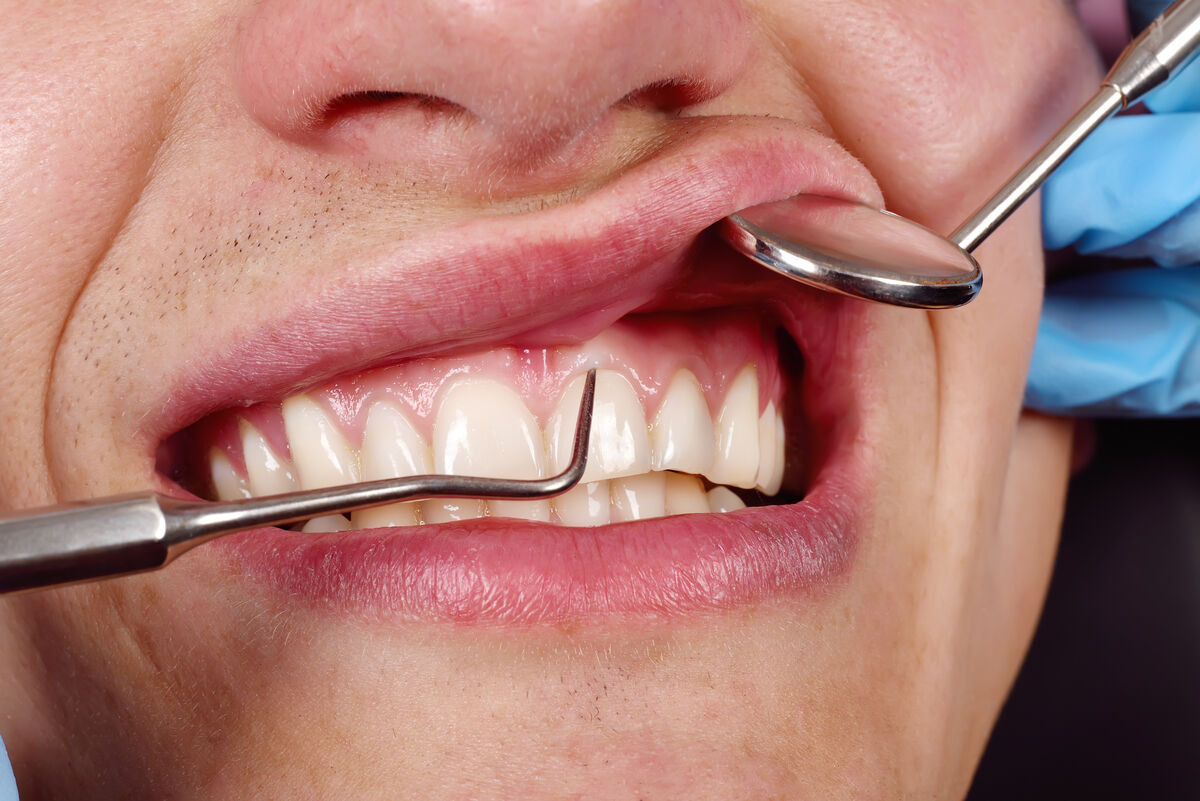
Bleeding Gums: Causes, Treatment & When to See a Dentist (2026)
You spit into the sink after brushing and see pink -- or worse, red. Bleeding gums affect an estimated 75% of American adults at some point in their lives, yet most people dismiss the symptom as harmless. The truth is that bleeding gums are almost always a warning sign, and how quickly you respond can determine whether you face a simple cleaning or years of periodontal treatment. This 2026 guide covers every cause, when to worry, and what NYC patients should expect in terms of treatment and cost.
Key Takeaways: Bleeding Gums in 2026
- • #1 cause: Gingivitis (bacterial plaque buildup) accounts for ~90% of bleeding gum cases
- • Not normal: Healthy gums should never bleed during brushing or flossing
- • Reversible: Gingivitis-related bleeding resolves in 1-2 weeks with proper care
- • NYC cleaning cost: $150-$350 (prophylaxis); $250-$500/quadrant (deep cleaning)
- • When to worry: Spontaneous bleeding, loose teeth, or bleeding with systemic symptoms
Why Do Gums Bleed?
Gum tissue is richly vascular -- packed with tiny blood vessels that deliver nutrients and immune cells. When bacteria-laden plaque accumulates along the gumline, the body launches an inflammatory response. Blood vessels dilate, gum tissue swells, and the normally tough epithelial barrier weakens. The result: gums that bleed easily when touched, brushed, or flossed.
This process is the hallmark of gingivitis, which accounts for roughly 90% of bleeding gum cases. But gingivitis is only one piece of the puzzle. Bleeding gums can also stem from systemic conditions, medications, nutritional deficiencies, and hormonal changes -- all of which NYC patients should understand.
Common Causes of Bleeding Gums
1. Gingivitis (Gum Inflammation)
Gingivitis is the earliest stage of gum disease and by far the most common reason gums bleed. It develops when plaque -- a bacterial biofilm -- is not removed effectively through daily brushing and flossing. Within 24-72 hours of plaque accumulation, the gums begin to show signs of inflammation: redness, swelling, and a tendency to bleed.
The good news is that gingivitis is completely reversible. A professional cleaning combined with improved home care can resolve the condition within 1-2 weeks. Left untreated, however, gingivitis can progress to periodontitis -- a far more serious condition that destroys the bone supporting your teeth.
2. Periodontitis
When gingivitis goes untreated, bacteria migrate below the gumline and form deep periodontal pockets. The immune response intensifies, and the body begins breaking down its own bone and connective tissue in a misguided attempt to fight the infection. Bleeding in periodontitis is often more spontaneous and may occur without any provocation. Other signs include receding gums, loose teeth, and persistent bad breath. Learn more in our comprehensive periodontitis treatment guide.
3. Medications
Several commonly prescribed medications can cause or worsen gum bleeding:
- Blood thinners: Warfarin (Coumadin), heparin, clopidogrel (Plavix), and direct oral anticoagulants (DOACs) like apixaban (Eliquis) and rivarelbaan (Xarelto) reduce the blood's clotting ability
- Aspirin: Even low-dose (81 mg) daily aspirin affects platelet function
- NSAIDs: Ibuprofen and naproxen can increase bleeding tendency with prolonged use
- Antidepressants (SSRIs): Medications like sertraline and fluoxetine may affect platelet aggregation
- Calcium channel blockers: Nifedipine and amlodipine can cause gum overgrowth (hyperplasia) that bleeds easily
"I always ask patients about their full medication list before any dental procedure. Blood thinners are incredibly common -- about 6 million Americans take warfarin alone -- and they significantly affect how we manage gum bleeding and plan treatment."
4. Vitamin Deficiencies
Deficiencies in certain vitamins directly affect gum health:
- Vitamin C deficiency (scurvy): Weakens collagen production, making gums fragile and prone to bleeding. While full-blown scurvy is rare, subclinical vitamin C deficiency is more common than most people realize.
- Vitamin K deficiency: Vitamin K is essential for blood clotting. Deficiency leads to prolonged bleeding from any site, including the gums.
- Vitamin D deficiency: Low vitamin D levels are associated with increased gum inflammation and periodontal disease risk -- particularly relevant for NYC residents who get limited sun exposure during winter months.
5. Hormonal Changes
Hormonal fluctuations can dramatically increase gum sensitivity and bleeding:
- Pregnancy gingivitis: Affects 60-75% of pregnant women, typically peaking in the second trimester. Elevated progesterone levels increase blood flow to gum tissue and exaggerate the inflammatory response to plaque.
- Puberty: Rising sex hormones increase gum sensitivity in adolescents
- Menstruation: Some women experience cyclical gum bleeding before or during their period
- Menopause: Declining estrogen levels can lead to dry mouth and increased susceptibility to gum disease
6. Other Causes
- Aggressive brushing: Using a hard-bristled brush or excessive force damages gum tissue
- New flossing routine: Gums often bleed for 3-7 days when starting to floss after a hiatus
- Ill-fitting dental appliances: Dentures, retainers, or Invisalign trays that rub against gums
- Smoking: Paradoxically, smoking can mask bleeding by constricting blood vessels, but it dramatically worsens periodontal disease
- Blood disorders: Leukemia, hemophilia, thrombocytopenia, and other blood conditions
- Diabetes: Uncontrolled blood sugar impairs immune function and healing
| Cause | How Common | Reversible? | Urgency |
|---|---|---|---|
| Gingivitis | Very common (~90%) | Fully reversible | Schedule dental visit within 2-4 weeks |
| Periodontitis | Common (47% of adults 30+) | Manageable, not fully reversible | See a periodontist promptly |
| Medications (blood thinners) | Common | Managed with dental/medical coordination | Inform your dentist; do not stop meds |
| Vitamin deficiency | Less common | Yes, with supplementation | Blood test recommended |
| Pregnancy gingivitis | 60-75% of pregnant women | Resolves after delivery | Dental cleaning safe during pregnancy |
| Blood disorders | Rare | Depends on condition | Seek medical evaluation immediately |
When to See a Dentist
While minor, occasional gum bleeding (especially when starting a new flossing routine) can resolve on its own, certain situations demand professional evaluation:
Warning: See a dentist or physician promptly if you experience any of the following: gum bleeding that persists for more than 2 weeks despite improved oral hygiene; spontaneous gum bleeding without provocation; bleeding accompanied by loose teeth, receding gums, or persistent bad breath; gum bleeding with systemic symptoms like fatigue, easy bruising, or unexplained weight loss; heavy bleeding that is difficult to stop.
Treatment Options for Bleeding Gums
Professional Treatment
The appropriate professional treatment depends on the underlying cause and severity of your condition:
Professional dental cleaning (prophylaxis): For mild gingivitis, a standard cleaning to remove plaque and tartar above the gumline is often sufficient. In NYC, a prophylaxis costs $150 to $350 and is typically covered at 100% by PPO dental insurance twice per year.
Scaling and root planing (deep cleaning): For moderate to advanced gingivitis or early periodontitis, deep cleaning removes plaque and calculus from below the gumline. Cost: $250 to $500 per quadrant in NYC. Most PPO plans cover this at 50-80%. See our insurance comparison guide for details.
Periodontal surgery: For advanced periodontitis that does not respond to non-surgical treatment, options include flap surgery, bone grafts, and guided tissue regeneration. Read our full periodontitis treatment guide for details and costs.
| Treatment | NYC Cost (2026) | Typical Insurance Coverage | When It's Needed |
|---|---|---|---|
| Prophylaxis (routine cleaning) | $150-$350 | 100% (PPO, 2x/year) | Mild gingivitis, routine maintenance |
| Scaling & root planing | $250-$500/quadrant | 50-80% (PPO) | Moderate gingivitis, early periodontitis |
| Periodontal maintenance | $200-$350/visit | 50-80% (PPO) | Ongoing care after perio treatment |
| Flap surgery | $1,000-$3,000/quadrant | 50% (PPO) | Advanced periodontitis |
Home Care and Remedies
For bleeding caused by gingivitis or mild inflammation, these home care strategies can make a significant difference:
- Upgrade your toothbrush: Switch to a soft-bristled electric toothbrush (Oral-B iO or Sonicare DiamondClean are top-rated in 2026). Brush for a full two minutes, twice daily, using gentle circular motions.
- Floss daily: Use traditional floss, interdental brushes, or a Waterpik water flosser. The key is consistency -- bleeding should improve within 7-14 days of daily flossing.
- Antimicrobial rinse: Over-the-counter rinses containing cetylpyridinium chloride (CPC) or essential oils (Listerine) can reduce plaque bacteria. Prescription chlorhexidine rinses are more potent but should only be used short-term due to staining.
- Salt water rinse: Dissolve 1/2 teaspoon of salt in 8 ounces of warm water and rinse for 30 seconds, 2-3 times daily. This reduces inflammation and promotes healing.
- Avoid tobacco: Smoking worsens gum disease and delays healing.
- Nutritional support: Ensure adequate intake of vitamin C (75-90 mg/day), vitamin D (600-1,000 IU/day), and vitamin K (90-120 mcg/day).
"The biggest mistake I see patients make is stopping their oral hygiene when they see bleeding. That is exactly the wrong response. Gentle, consistent brushing and flossing is the treatment for bleeding gums -- not avoiding the area. Think of it like physical therapy for your gums."
Bleeding Gums During Orthodontic Treatment
Patients undergoing orthodontic treatment with braces or Invisalign are at higher risk for gum inflammation and bleeding. Brackets and wires create additional surfaces for plaque accumulation, while aligners can trap bacteria against the teeth if oral hygiene is not meticulous.
If you are currently in orthodontic treatment and experiencing bleeding gums:
- Use an orthodontic-specific toothbrush or interproximal brush to clean around brackets
- Clean Invisalign aligners thoroughly before reinserting them
- Consider a Waterpik water flosser, which is particularly effective for patients with braces
- Inform your orthodontist -- they may refer you to a periodontist for evaluation
- Do not delay treatment: untreated gum disease during orthodontics can compromise your results
Bleeding Gums in Children
Children can develop gingivitis and bleeding gums just like adults. In fact, puberty-related hormonal changes make adolescents particularly susceptible. Common causes in children include poor brushing habits, mouth breathing, orthodontic appliances, and occasionally, systemic conditions. If your child's gums bleed regularly, schedule a pediatric dental visit -- early intervention establishes good habits and prevents long-term problems.
Quick Action Plan for Bleeding Gums
- • Week 1: Start brushing 2x/day with soft brush + flossing daily
- • Week 2: Add antimicrobial rinse; bleeding should start to decrease
- • Week 3: If bleeding persists, schedule a dental appointment
- • At visit: Get professional cleaning and periodontal evaluation
- • Ongoing: Maintain routine and attend cleanings every 6 months
Preventing Bleeding Gums Long-Term
Prevention comes down to consistent habits and regular professional care:
- Brush twice daily for two minutes with a soft-bristled or electric toothbrush
- Clean between teeth daily with floss, interdental brushes, or a water flosser
- Visit your dentist every 6 months for professional cleanings and examinations
- Do not smoke -- smoking is the strongest modifiable risk factor for gum disease
- Manage chronic conditions like diabetes that affect gum health
- Eat a balanced diet rich in vitamin C, D, and K
- Stay hydrated -- dry mouth increases plaque buildup and gum irritation
- Replace your toothbrush every 3 months or when bristles fray
For NYC patients, taking advantage of your insurance benefits is key. Most dental plans cover two preventive cleanings per year at 100%. Not using these benefits is essentially leaving money on the table while putting your gum health at risk. If you are unsure about your coverage, review our dental insurance guide or explore financing options for treatments your plan does not cover.
Frequently Asked Questions
No, bleeding gums are never truly normal. While occasional minor bleeding can occur if you have not flossed in a while, persistent bleeding when brushing or flossing is the most common sign of gingivitis or early gum disease. Healthy gums should not bleed during routine oral hygiene. If your gums bleed regularly, schedule a dental evaluation -- early treatment can prevent progression to periodontitis.
Start with improved oral hygiene: brush twice daily with a soft-bristled brush, floss daily, and use an antimicrobial mouth rinse. Paradoxically, continuing to floss (gently) even when gums bleed will help them heal over time. If bleeding persists after 2 weeks of consistent home care, see a dentist for professional cleaning and evaluation. You may need scaling and root planing if gingivitis has advanced.
Yes. While gingivitis is the most common cause, bleeding gums can also indicate periodontitis (which leads to tooth loss), blood disorders like leukemia or thrombocytopenia, vitamin K or C deficiency, uncontrolled diabetes, or side effects from blood-thinning medications. Sudden, unexplained gum bleeding -- especially if accompanied by easy bruising, fatigue, or bleeding from other sites -- warrants prompt medical evaluation.
A routine dental cleaning (prophylaxis) costs $150-$350 in NYC and is typically covered by insurance twice yearly. If gingivitis has progressed, scaling and root planing (deep cleaning) costs $250-$500 per quadrant. A periodontal evaluation costs $100-$250. Most PPO dental plans cover preventive cleanings at 100% and deep cleanings at 50-80% after deductible.
Absolutely not. Bleeding during flossing usually means plaque and bacteria have accumulated between teeth, causing gum inflammation. Stopping flossing will make the problem worse. Instead, continue flossing gently once daily -- the bleeding should diminish within 1-2 weeks as inflammation decreases. If it does not improve, see your dentist. Consider using a water flosser (Waterpik) if traditional floss is too uncomfortable.
Sources
1. Centers for Disease Control and Prevention. Periodontal Disease. CDC Oral Health Division, updated 2025.
2. American Dental Association. Bleeding Gums: Causes and Treatment. ADA MouthHealthy, 2025.
3. Loe H, Theilade E, Jensen SB. Experimental Gingivitis in Man. Journal of Periodontology, 1965;36:177-187.
4. Chapple ILC, et al. Interaction of lifestyle, behaviour or systemic diseases with dental caries and periodontal diseases. Journal of Clinical Periodontology, 2017;44(S18):S39-S51.
5. Amaliya A, et al. Java project on periodontal diseases: the relationship between vitamin C and the severity of periodontitis. Journal of Clinical Periodontology, 2007;34(4):299-304.
6. American Academy of Periodontology. Gum Disease Risk Factors. AAP Patient Resources, 2025.
7. Figuero E, et al. Effect of pregnancy on gingival inflammation in systemically healthy women. Journal of Clinical Periodontology, 2013;40(1):20-25.
Bleeding Gums? Get Checked by a NYC Dentist
Do not wait for bleeding gums to become a bigger problem. Find experienced dentists and periodontists across Manhattan, Brooklyn, Queens, and the Bronx.
Find a Provider in NYC