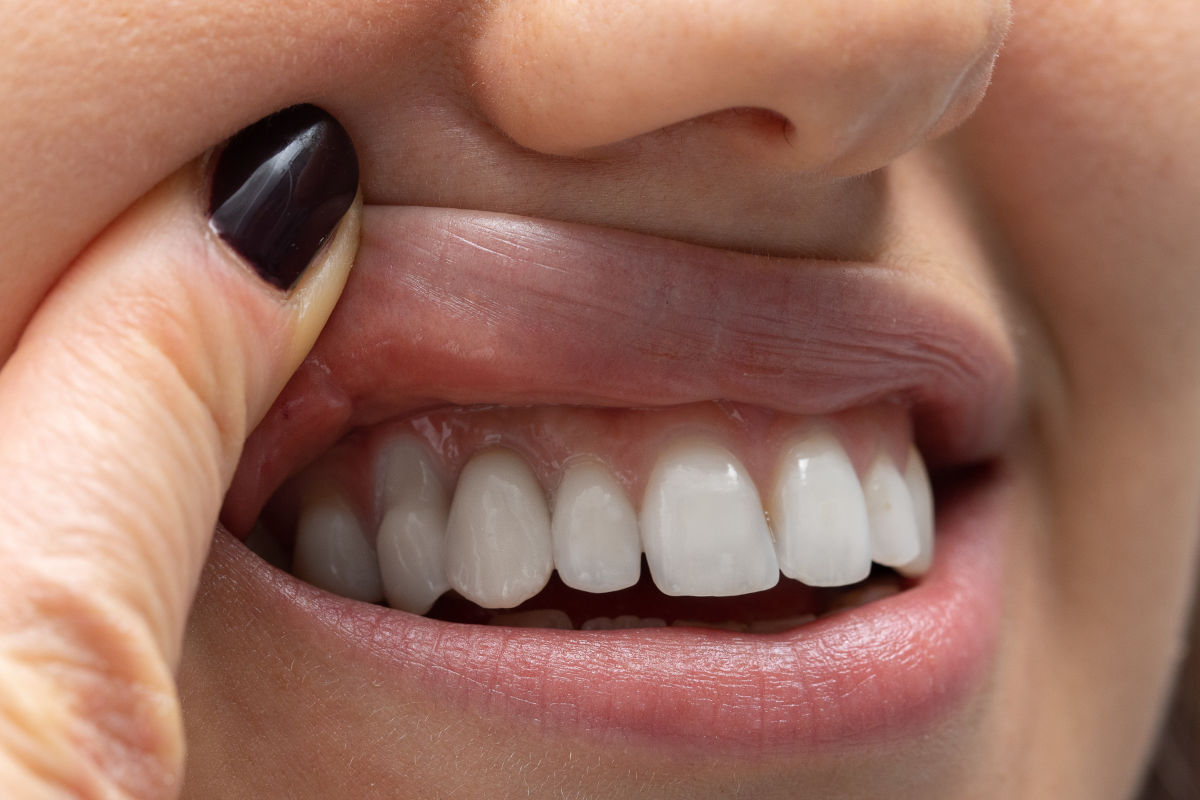
Periodontitis: Symptoms, Stages & Treatment Options (2026 NYC Guide)
Periodontitis affects nearly 47% of adults over 30 in the United States, according to the CDC -- and in a dense urban environment like New York City, delayed dental visits and high-stress lifestyles can accelerate the progression. This comprehensive 2026 guide covers everything NYC patients need to know: how to recognize the warning signs, understand the four clinical stages, and navigate the full range of treatment options available from Manhattan to Queens.
Key Takeaways: Periodontitis Treatment in 2026
- • Prevalence: 47% of US adults over 30 have some form of periodontal disease
- • NYC cost range: $250-$500/quadrant (non-surgical) to $1,000-$3,000/quadrant (surgical)
- • Treatment time: Non-surgical takes 2-4 weeks; full stabilization 3-6 months
- • Insurance: PPO plans typically cover 50-80% of scaling and root planing
- • Key fact: Bone loss from periodontitis is irreversible, but progression can be stopped
What Is Periodontitis?
Periodontitis is a serious inflammatory disease of the tissues surrounding and supporting the teeth. It begins when bacterial plaque -- a sticky biofilm that forms on teeth -- triggers an immune response that, over time, destroys the periodontal ligament and alveolar bone. Unlike gingivitis, which affects only the gums and is fully reversible, periodontitis causes permanent structural damage that requires ongoing professional management.
The bacteria most commonly associated with periodontitis include Porphyromonas gingivalis, Tannerella forsythia, and Treponema denticola. These pathogens colonize the subgingival space -- the area below the gumline -- forming deep periodontal pockets that cannot be reached by regular brushing or flossing. As the pockets deepen, more aggressive bacteria thrive, creating a destructive cycle that progressively loosens teeth.
"Periodontitis is not just a dental problem -- it is a systemic inflammatory condition. The same bacteria and inflammatory mediators that destroy gum tissue have been linked to cardiovascular disease, diabetes complications, and adverse pregnancy outcomes."
Symptoms of Periodontitis
One of the most dangerous aspects of periodontitis is that it often progresses painlessly in its early stages. Many patients in NYC do not realize they have the disease until significant damage has already occurred. Here are the warning signs to watch for:
- Persistent bad breath (halitosis) that does not improve with brushing -- see our guide on bad breath causes
- Bleeding gums during brushing, flossing, or eating
- Red, swollen, or tender gums that appear puffy along the margins
- Receding gums that make teeth appear longer than normal
- Loose or shifting teeth that change position over time
- Deep pockets between teeth and gums (measured at dental visits)
- Pus between teeth and gums
- Changes in bite alignment or how partial dentures fit
- Pain when chewing in advanced stages
Warning: If you notice any combination of bleeding gums, persistent bad breath, and receding gumlines, schedule a periodontal evaluation immediately. Early intervention can prevent irreversible bone loss. NYC residents can find periodontists through the American Academy of Periodontology's provider directory.
The Four Stages of Periodontitis
The 2018 World Workshop classification system, still the standard in 2026, categorizes periodontitis into four stages based on severity and complexity. Understanding which stage you are in is critical because it determines the treatment approach and expected outcomes.
| Stage | Severity | Bone Loss | Pocket Depth | Tooth Loss Risk |
|---|---|---|---|---|
| Stage I | Initial | Less than 15% (coronal third) | Up to 4 mm | No teeth lost |
| Stage II | Moderate | 15-33% (coronal third) | Up to 5 mm | No teeth lost |
| Stage III | Severe | Extending to middle or apical third | 6 mm or more | Up to 4 teeth lost |
| Stage IV | Advanced | Extending to middle or apical third | 6 mm or more | 5+ teeth lost or at risk |
Each stage is also assigned a grade (A, B, or C) that reflects the rate of progression. Grade A indicates slow progression, Grade B moderate, and Grade C rapid. Risk factors like smoking and uncontrolled diabetes can push a patient from Grade B to Grade C, which influences how aggressively the periodontist approaches treatment.
Risk Factors for Periodontitis
While bacterial plaque is the primary cause, several factors significantly increase your risk of developing periodontitis or experiencing faster progression:
- Smoking and tobacco use: Smokers are 2-3 times more likely to develop severe periodontitis and respond less favorably to treatment
- Diabetes: Uncontrolled blood sugar impairs the body's ability to fight infection; the relationship is bidirectional
- Genetics: Up to 30% of the population may be genetically susceptible to periodontal disease regardless of hygiene habits
- Stress: High cortisol levels suppress immune function -- a significant factor for many NYC professionals
- Medications: Certain drugs (calcium channel blockers, anticonvulsants, immunosuppressants) can cause gum overgrowth
- Hormonal changes: Pregnancy, menopause, and oral contraceptive use can increase gum sensitivity
- Poor nutrition: Vitamin C and D deficiencies impair tissue healing and immune response
Non-Surgical Treatment Options
For Stage I and Stage II periodontitis -- and as the first line of treatment for all stages -- non-surgical periodontal therapy aims to remove bacterial deposits and create an environment where the gums can heal and reattach to the tooth surface.
Scaling and Root Planing (SRP)
Scaling and root planing, often called a "deep cleaning," is the cornerstone of non-surgical periodontal treatment. During this procedure, the periodontist or hygienist uses specialized instruments (ultrasonic scalers and hand curettes) to remove plaque and calculus from below the gumline and smooth the root surfaces. The smoothed roots make it harder for bacteria to recolonize and easier for gum tissue to reattach.
SRP is typically performed under local anesthesia and divided into two to four appointments, with each session treating one or two quadrants of the mouth. In NYC, the cost ranges from $250 to $500 per quadrant, or roughly $1,000 to $2,000 for a full mouth. Most PPO dental insurance plans cover SRP at 50-80% after the deductible is met.
Antibiotic Therapy
To enhance the results of SRP, many periodontists use locally delivered antibiotics. Arestin (minocycline microspheres) is the most commonly used product in NYC practices -- the tiny particles are placed directly into periodontal pockets after scaling, providing sustained antibiotic release over approximately 21 days. Studies show that SRP combined with Arestin produces significantly greater pocket depth reduction than SRP alone. The cost per site is typically $35-$75, and some insurance plans cover it under the periodontal benefit.
Systemic antibiotics (taken by mouth) may be prescribed for aggressive or widespread periodontitis. Common regimens include a combination of amoxicillin and metronidazole for 7-14 days.
Laser-Assisted Periodontal Therapy
The FDA-cleared LANAP (Laser Assisted New Attachment Procedure) protocol uses an Nd:YAG laser to selectively remove diseased tissue and bacteria from periodontal pockets without cutting or suturing. Proponents cite reduced pain, faster healing, and potential for true periodontal regeneration. The cost in NYC ranges from $1,500 to $4,000 per quadrant and is often not fully covered by insurance, though some PPO plans provide partial reimbursement.
"For patients with moderate periodontitis who want to avoid surgery, laser therapy can be an excellent option. We are seeing pocket depth reductions of 2-3 mm in many cases, with significantly less post-operative discomfort than traditional flap surgery."
Surgical Treatment Options
When non-surgical therapy fails to adequately reduce pocket depths -- typically below 5 mm -- or when bone loss is significant (Stage III or IV), surgical intervention becomes necessary. Here are the primary surgical options available from periodontists across NYC.
Flap Surgery (Osseous Surgery)
During flap surgery, the periodontist lifts the gum tissue to access and clean the root surfaces and bone underneath. Irregular bone surfaces are reshaped (osteoplasty) to eliminate deep pockets and create a contour that allows the gums to heal tightly against the bone. The gums are then sutured back in place. This procedure is the gold standard for accessing and treating deep periodontal defects. In NYC, flap surgery costs approximately $1,000 to $3,000 per quadrant.
Bone Grafting and Regeneration
Where periodontitis has created significant bone defects, regenerative procedures can help rebuild lost support. Bone grafts (using the patient's own bone, donor bone, or synthetic materials) are placed into the defect, often in combination with guided tissue regeneration (GTR) membranes or biologic agents like Emdogain (enamel matrix derivative). These procedures can cost $600 to $1,200 per site in NYC, in addition to the cost of flap surgery.
Soft Tissue Grafts
When periodontitis has caused gum recession, soft tissue grafts -- typically using tissue from the palate or donor material like AlloDerm -- can cover exposed root surfaces, reduce sensitivity, and improve aesthetics. Connective tissue grafts cost approximately $700 to $1,500 per tooth in NYC.
| Treatment | NYC Cost (2026) | Insurance Coverage | Recovery Time | Best For |
|---|---|---|---|---|
| Scaling & Root Planing | $250-$500/quadrant | 50-80% (PPO) | 1-2 days | Stage I-II; first-line for all stages |
| Arestin (local antibiotic) | $35-$75/site | Varies | None | Adjunct to SRP for persistent pockets |
| LANAP Laser Therapy | $1,500-$4,000/quadrant | Partial or none | 1-3 days | Moderate disease; surgery-averse patients |
| Flap Surgery | $1,000-$3,000/quadrant | 50% (PPO) | 1-2 weeks | Stage III-IV; deep pockets over 6 mm |
| Bone Grafting | $600-$1,200/site | 50% (PPO) | 3-6 months | Significant bone defects |
| Soft Tissue Graft | $700-$1,500/tooth | 50% (PPO) | 2-4 weeks | Gum recession from periodontitis |
What to Expect: Treatment Timeline
Periodontal treatment is not a one-and-done procedure. Here is a typical timeline for a patient diagnosed with Stage II or III periodontitis in a New York City periodontal practice:
- Initial consultation and diagnostics (Week 1): Comprehensive periodontal charting, full-mouth X-rays, and possibly CBCT imaging. Cost: $150-$400.
- Scaling and root planing (Weeks 2-4): Two to four sessions treating one to two quadrants per visit.
- Re-evaluation (Week 8-10): The periodontist reassesses pocket depths and tissue response. Sites that have not responded may need additional treatment.
- Surgical treatment if needed (Weeks 10-16): Flap surgery, bone grafting, or laser therapy for persistent deep pockets.
- Healing and stabilization (Months 4-6): Tissue and bone healing, with follow-up assessments.
- Periodontal maintenance (ongoing): Professional cleanings every 3-4 months indefinitely. Cost: $200-$350 per visit in NYC.
Insurance Tip for NYC Patients
- • PPO plans typically cover periodontal treatment at 50-80% after deductible
- • HMO plans usually require referrals and have fixed copays for periodontal procedures
- • Annual maximums ($1,500-$2,500) may not cover full treatment -- plan across calendar years
- • FSA/HSA funds can cover out-of-pocket periodontal costs
- • Compare plan details using our PPO vs HMO guide
- • Explore dental financing options for larger treatment plans
Periodontitis and Systemic Health
The link between periodontitis and overall health has been one of the most significant areas of dental research in recent decades. The chronic inflammation associated with periodontal disease does not stay confined to the mouth -- inflammatory mediators and bacteria enter the bloodstream and can affect distant organs and systems.
Research published through 2025 has established strong associations between periodontitis and:
- Cardiovascular disease: Periodontal pathogens have been found in atherosclerotic plaques, and patients with periodontitis have a 25-50% higher risk of heart disease
- Diabetes: The relationship is bidirectional -- diabetes increases susceptibility to periodontitis, and active periodontal disease makes blood sugar control more difficult
- Adverse pregnancy outcomes: Periodontitis is associated with a 2-3x increased risk of preterm birth and low birth weight
- Respiratory infections: Aspiration of oral bacteria can cause or worsen pneumonia, especially in elderly patients
- Alzheimer's disease: P. gingivalis and its toxic enzymes (gingipains) have been detected in brain tissue of Alzheimer's patients
Warning: If you have diabetes, heart disease, or are pregnant, untreated periodontitis poses significant risks beyond tooth loss. Inform both your physician and dentist about your conditions so they can coordinate care. Many NYC medical centers now include periodontal screening as part of prenatal and cardiovascular risk assessments.
Preventing Periodontitis: Daily and Professional Strategies
Prevention is always preferable to treatment, and maintaining periodontal health requires a combination of diligent home care and regular professional maintenance:
- Brush twice daily with a soft-bristled or electric toothbrush for at least two minutes
- Floss or use interdental brushes daily to clean between teeth where plaque accumulates
- Use an antimicrobial mouth rinse containing chlorhexidine or essential oils (as recommended by your dentist)
- Quit smoking: This is the single most impactful modifiable risk factor for periodontitis
- Manage systemic conditions: Keep diabetes, stress, and other conditions under control
- Maintain regular dental visits: Professional cleanings every 6 months (or every 3-4 months if you have a history of periodontitis)
- Eat a balanced diet: Adequate vitamin C, vitamin D, and omega-3 fatty acids support gum health
If you have already been diagnosed with gingivitis, treating it promptly is the single best way to prevent it from progressing to periodontitis. Early intervention at the gingivitis stage is far simpler, less invasive, and less expensive than treating established periodontitis.
Tooth Replacement After Periodontitis
When periodontitis results in tooth loss, patients need to understand their replacement options. However, bone loss from periodontitis can complicate certain procedures, particularly dental implants, which require adequate bone volume for successful placement.
Common replacement options include:
- Dental implants: The gold standard, but may require bone grafting first. NYC cost: $3,000-$6,000 per implant (see our dental implants cost guide)
- Dental bridges: A fixed option that does not require bone grafting, but relies on adjacent teeth for support
- Removable partial dentures: The most affordable option, though less stable and comfortable than fixed alternatives
It is critical that periodontitis is fully stabilized before any tooth replacement procedure is undertaken. Placing implants or bridges in an actively diseased mouth significantly increases the risk of failure.
Frequently Asked Questions
Periodontitis cannot be fully reversed once bone loss has occurred, but it can be effectively managed and stabilized. With proper professional treatment -- scaling and root planing, possible surgical intervention, and diligent home care -- the disease progression can be halted. Many NYC patients maintain healthy gums for decades after treatment with regular periodontal maintenance visits every 3-4 months.
In New York City, non-surgical scaling and root planing typically costs $250-$500 per quadrant ($1,000-$2,000 for a full mouth). Surgical options like flap surgery range from $1,000-$3,000 per quadrant, and bone grafting can add $600-$1,200 per site. With PPO dental insurance, patients usually pay 20-50% of the total cost after meeting their deductible.
Non-surgical treatment (scaling and root planing) is typically completed in 2-4 visits over 2-3 weeks. A re-evaluation happens 4-6 weeks later. If surgery is needed, the timeline extends by several months. Full stabilization, including healing and reassessment, generally takes 3-6 months. Ongoing periodontal maintenance is then required indefinitely, usually every 3-4 months.
Gingivitis is the earliest stage of gum disease, characterized by red, swollen gums that bleed easily. It is fully reversible with professional cleaning and improved oral hygiene. Periodontitis occurs when gingivitis is left untreated -- bacteria penetrate below the gumline, destroying the bone and connective tissue that support the teeth. Unlike gingivitis, the bone loss from periodontitis is permanent.
Most PPO and HMO dental plans cover periodontal treatment, though coverage varies. PPO plans typically cover 50-80% of scaling and root planing and 50% of periodontal surgery after the deductible. HMO plans may have fixed copays. Annual maximums ($1,500-$2,500 for most plans) can limit coverage for extensive treatment. FSA and HSA funds can be used for out-of-pocket costs.
Sources
1. Centers for Disease Control and Prevention. Periodontal Disease. CDC Oral Health Division, updated 2025.
2. Tonetti MS, Greenwell H, Kornman KS. Staging and grading of periodontitis: Framework and proposal of a new classification and case definition. Journal of Periodontology, 2018;89(Suppl 1):S159-S172.
3. American Academy of Periodontology. Guidelines for Periodontal Therapy, 2024 Update.
4. Lalla E, Papapanou PN. Diabetes mellitus and periodontitis: a tale of two common interrelated diseases. Nature Reviews Endocrinology, 2011;7(12):738-748.
5. Dominy SS, et al. Porphyromonas gingivalis in Alzheimer's disease brains: Evidence for disease causation and treatment with small-molecule inhibitors. Science Advances, 2019;5(1):eaau3333.
6. Sanz M, et al. Treatment of stage I-III periodontitis -- The EFP S3 level clinical practice guideline. Journal of Clinical Periodontology, 2020;47(S22):4-60.
7. American Dental Association. ADA Dental Fee Survey, 2025 Edition.
8. Yukna RA, et al. Multi-center clinical evaluation of combination antibiotic therapy in periodontal treatment. Journal of Periodontology, 2023;94(5):612-621.
Concerned About Gum Disease? Get Expert Help in NYC
Early treatment can save your teeth and protect your overall health. Connect with top-rated periodontists and general dentists across Manhattan, Brooklyn, and Queens.
Find a Provider in NYC