Overbite Correction in 2026: Treatment Options, Costs & What to Expect
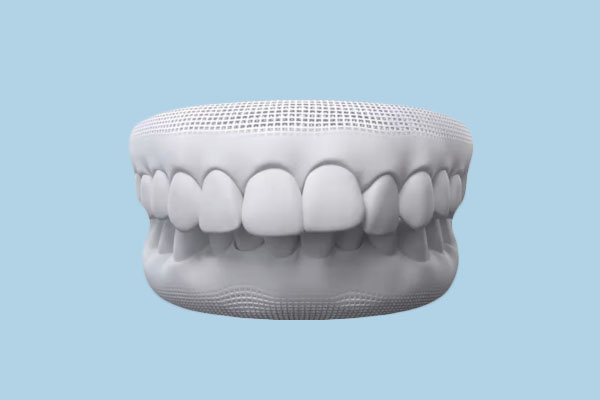
An overbite -- where the upper front teeth overlap the lower front teeth excessively -- is the most common malocclusion in the United States, affecting approximately 70% of the population to some degree. While a slight overbite (1-3mm) is normal and functional, a deep overbite exceeding 4mm can cause tooth wear, gum damage, jaw pain, and aesthetic concerns. In 2026, NYC patients have more correction options than ever, from Invisalign with precision bite ramps to minimally invasive surgical techniques. Here is everything you need to know about treatment choices, costs, timelines, and expected results.
Key Facts: Overbite Correction in 2026
- • Normal overbite: 1-3mm (about 10-20% overlap)
- • Problematic overbite: 4mm+ (more than 30% overlap)
- • NYC treatment cost: $3,000 - $8,000 (braces/Invisalign); $25,000-$45,000 (surgical)
- • Treatment time: 6-24 months depending on severity
- • Insurance coverage: PPO plans cover $1,500-$3,000; medical insurance may cover surgery
- • Best early treatment age: 7-10 years for growing children
Understanding Overbite Types
Orthodontists classify overbites by two measurements: vertical overbite (how much the upper teeth cover the lower teeth from top to bottom) and horizontal overjet (how far forward the upper teeth sit in front of the lower teeth). These two dimensions are often related but treated differently.
- Deep bite (vertical overbite): The upper front teeth cover more than 30-50% of the lower front teeth. In severe cases, the lower teeth may bite into the gum behind the upper teeth, causing tissue damage.
- Increased overjet (horizontal): The upper teeth protrude significantly forward of the lower teeth, sometimes called "buck teeth." This increases the risk of trauma to the upper front teeth.
- Dental overbite: Caused by tooth position -- the teeth have erupted at incorrect angles. This is generally easier to correct with orthodontics alone.
- Skeletal overbite: Caused by jaw size discrepancy -- the lower jaw (mandible) is underdeveloped relative to the upper jaw (maxilla). This may require growth modification in children or surgery in adults.
| Severity | Measurement | Symptoms | Recommended Treatment |
|---|---|---|---|
| Normal | 1-3mm (10-20% overlap) | None -- functional and healthy | No treatment needed |
| Mild | 4-5mm (30-50% overlap) | Mild tooth wear, cosmetic concerns | Invisalign or braces |
| Moderate | 5-7mm (50-80% overlap) | Tooth wear, gum irritation, jaw strain | Braces with elastics or Invisalign with bite ramps |
| Severe | 7mm+ (80-100% overlap) | Significant wear, palatal tissue damage, TMJ pain | Braces + TADs or surgical correction |
What Causes an Overbite?
Overbites develop from a combination of genetic and environmental factors. Understanding the cause helps determine the most effective treatment:
- Genetics (60-70% of cases): Inherited jaw size discrepancy -- a smaller mandible relative to the maxilla -- is the most common cause. If one or both parents have a significant overbite, their children are more likely to develop one.
- Childhood habits: Prolonged thumb sucking, pacifier use beyond age 3-4, and tongue thrusting can push upper teeth forward and restrict lower jaw development.
- Tooth loss or missing teeth: Premature loss of lower back teeth allows the lower arch to collapse, deepening the bite.
- Teeth grinding (bruxism): Chronic grinding wears down back teeth, allowing the bite to deepen over time.
- Nail biting and pen chewing: These habits can gradually shift upper front teeth forward, increasing the overjet.
"Many patients come in thinking their overbite is purely cosmetic, but deep bites are one of the most destructive malocclusions over time. I have seen cases where the lower front teeth have worn channels into the backs of the upper teeth, and the palatal gum tissue is chronically inflamed from the lower teeth impinging on it. Early correction prevents decades of progressive damage."
Overbite Treatment Options in 2026
Invisalign for Overbite
Invisalign has become increasingly effective for overbite correction through built-in bite ramps (small ridges on the upper aligner behind the front teeth) and strategic attachment placement. These features help intrude the upper front teeth, extrude the lower teeth, and guide the bite into proper alignment.
- NYC cost: $4,000 - $8,500
- Treatment time: 12-18 months for mild to moderate overbites
- Success rate: 75-85% for overbites up to 6mm
- Best for: Adults and older teens with mild to moderate dental overbites who want a discreet option
Traditional Braces with Elastics
Traditional braces remain the most versatile tool for overbite correction. Orthodontists use Class II elastics (rubber bands from the upper canines to the lower molars) to pull the lower jaw forward and the upper teeth back. This combined with leveling and alignment mechanics corrects both the vertical and horizontal components of the overbite.
- NYC cost: $4,500 - $8,000 (metal); $5,000 - $9,000 (ceramic)
- Treatment time: 12-24 months
- Success rate: 85-95% for all severity levels
- Best for: Moderate to severe overbites, especially those with a skeletal component
Functional Appliances (for Growing Children)
For children ages 7-12 with skeletal overbites caused by a recessive lower jaw, functional appliances like the Herbst appliance, Twin Block, or MARA (Mandibular Anterior Repositioning Appliance) can stimulate mandibular growth and reduce the overbite during the growth phase. This is Phase 1 treatment that may reduce or eliminate the need for more extensive treatment later.
- NYC cost: $2,500 - $5,000
- Treatment time: 9-15 months
- Best for: Growing children with skeletal Class II overbites
Orthognathic Surgery
For adults with severe skeletal overbites -- where the lower jaw is significantly recessed -- orthognathic surgery may be the only way to achieve a properly functioning bite and balanced facial profile. The most common procedure is bilateral sagittal split osteotomy (BSSO), which advances the lower jaw forward to meet the upper jaw.
- NYC cost: $25,000 - $45,000 (total with orthodontics)
- Treatment time: 2-3 years total
- Best for: Severe skeletal overbites in adults with completed growth
Warning: Adults with severe skeletal overbites who are told they can achieve a perfect result with aligners alone should seek a second opinion. While Invisalign works well for dental overbites, significant jaw discrepancies require surgical or combined treatment for a stable result. Camouflaging a skeletal problem with tooth movement alone often leads to relapse and compromised outcomes.
Overbite Treatment Cost Comparison in NYC
| Treatment | NYC Cost | National Average | Insurance Coverage | Typical Out-of-Pocket |
|---|---|---|---|---|
| Invisalign | $4,000 - $8,500 | $3,000 - $7,000 | $1,500 - $3,000 | $2,500 - $5,500 |
| Metal braces | $4,500 - $8,000 | $3,000 - $6,500 | $1,500 - $3,000 | $3,000 - $5,000 |
| Ceramic braces | $5,000 - $9,000 | $4,000 - $8,000 | $1,500 - $3,000 | $3,500 - $6,000 |
| Functional appliance (kids) | $2,500 - $5,000 | $2,000 - $4,000 | $1,000 - $2,000 | $1,500 - $3,000 |
| Jaw surgery + orthodontics | $25,000 - $45,000 | $20,000 - $40,000 | Medical + Dental | $5,000 - $15,000 |
What to Expect During Treatment
Regardless of the treatment method, overbite correction follows a general progression:
- Months 1-3: Initial alignment and leveling. Your teeth are straightened before the bite correction phase begins. You may notice some crowding relief but minimal change to the overbite itself.
- Months 3-12: Active bite correction. Elastics, bite ramps, or intrusion mechanics are introduced. This is when you will see the most dramatic change in your bite relationship. Compliance with elastics (20-22 hours/day) is critical during this phase.
- Months 12-24: Refinement and finishing. Fine adjustments to tooth position, bite contacts, and midline alignment. For moderate to severe cases, this phase ensures everything is properly seated.
- After treatment: Retention with retainers (bonded and/or removable) to maintain the correction. Nightly retainer wear for life is the standard recommendation.
"The most common question I get from overbite patients is whether treatment will change their face. The answer is almost always yes, and almost always for the better. Correcting a deep overbite allows the lower third of the face to open up slightly, improving chin projection and overall facial balance. It is one of the most transformative orthodontic treatments we do."
Risks and Considerations
While overbite correction is generally safe and effective, there are some factors to discuss with your orthodontist:
- Root resorption: Intrusive tooth movement (pushing teeth upward into the bone) carries a slightly higher risk of root shortening compared to other tooth movements. Regular X-rays during treatment monitor for this.
- TMJ changes: Altering the bite can sometimes affect the temporomandibular joint. In most cases, proper bite correction improves TMJ symptoms, but some patients experience temporary adjustment discomfort.
- Relapse: Overbites have a moderate relapse tendency, especially the vertical component. Consistent retainer wear is essential.
- Treatment time variability: Overbite correction often takes longer than estimated because elastic wear compliance varies among patients. Wearing elastics only 12 hours instead of 22 hours can double the treatment time.
NYC Insurance and Financing Tips
- • PPO dental plans (Delta Dental, Cigna, Aetna) typically cover $1,500-$3,000 for orthodontics
- • HMO plans may cover orthodontics at reduced rates but limit you to in-network providers
- • FSA and HSA accounts can save you 25-35% through pre-tax contributions
- • Most NYC orthodontists offer 0% interest payment plans over 12-24 months
- • Medical insurance may cover jaw surgery if deemed medically necessary -- get pre-authorization
Frequently Asked Questions
Yes. A slight overbite of 1 to 3 millimeters is considered normal and actually necessary for proper function. Your upper front teeth should overlap the lower front teeth by about 1 to 2mm vertically and 1 to 2mm horizontally. An overbite becomes a concern when it exceeds 4mm or more than 30 percent of the lower teeth are covered, which can lead to accelerated tooth wear, gum damage, and jaw pain.
Yes. Invisalign is effective for correcting mild to moderate overbites, typically those in the 4 to 7mm range. The system uses precision bite ramps built into the upper aligners and strategic attachments to intrude the front teeth and guide the bite into proper alignment. Severe overbites with significant skeletal discrepancies may require traditional braces or a combined approach with elastics.
Treatment time depends on severity. Mild overbites of 4 to 5mm typically take 6 to 12 months to correct. Moderate overbites of 5 to 7mm usually require 12 to 18 months. Severe overbites exceeding 7mm or those with a skeletal component may take 18 to 30 months, and surgical cases can extend to 2 to 3 years including pre and post surgical orthodontics.
Yes, correcting a significant overbite often produces noticeable facial changes. The lower jaw may appear more prominent and balanced, the chin projection often improves, and the lip posture typically becomes more natural. Many patients report looking more balanced in profile photos. The changes are almost always positive and one of the most satisfying aspects of overbite treatment for adult patients.
The American Association of Orthodontists recommends an initial evaluation by age 7, when early overbite intervention can be most effective in growing children. Phase 1 treatment between ages 7 and 10 can modify jaw growth and reduce the severity of the overbite. For teens and adults, treatment can begin at any age, though treatment in teens during active growth is typically faster and may avoid the need for jaw surgery later.
Sources
1. Proffit WR, Fields HW, Sarver DM. "Contemporary Orthodontics." 7th Edition, Elsevier, 2024.
2. American Association of Orthodontists. "Overbite: Causes, Symptoms, and Treatment." Patient Education Resources, 2025.
3. Danz JC, Kondi A, Katsaros C. "Treatment of Class II deep bite malocclusion: Intrusion vs. leveling." Angle Orthodontist, 2022;92(4):498-506.
4. Align Technology. "Deep Bite Correction with Invisalign: Clinical Protocol." Provider Guidelines, 2025.
5. Janson G, et al. "Stability of anterior open bite and deep overbite correction: A systematic review." Dental Press Journal of Orthodontics, 2023;28(2):e2321.
6. American Dental Association. "Orthodontic Treatment for Malocclusion." ADA Clinical Practice Guidelines, 2024.
7. National Institutes of Health. "Malocclusion: Classification and Treatment." MedlinePlus, Updated 2025.
8. New York State Department of Financial Services. "Dental Insurance Coverage: Orthodontic Benefits Guide." Consumer Resources, 2025.
Ready to Correct Your Overbite?
Find a board-certified orthodontist in NYC who can evaluate your overbite and recommend the best treatment plan for your goals and budget.
Find a Provider in NYC