Dental Implants in NYC: Complete 2026 Guide (Types, Cost, Recovery)
Dental implants are widely regarded as the gold standard for replacing missing teeth -- and for good reason. They look, feel, and function like natural teeth, preserve jawbone, and can last a lifetime with proper care. In New York City, a single dental implant costs $3,000 to $6,500 in 2026, making it a significant investment that demands thorough research. This guide covers every aspect NYC patients need to understand: implant types, the step-by-step procedure, recovery timeline, success rates, detailed cost breakdowns, and insurance strategies.
Key Takeaways: Dental Implants in NYC (2026)
- • NYC cost: $3,000-$6,500 per single implant (implant + abutment + crown)
- • Success rate: 95-98% at 10 years for healthy patients
- • Timeline: 3-6 months from surgery to final crown
- • Lifespan: Implant body lasts 25+ years; crown may need replacement at 15-20 years
- • Top implant systems: Nobel Biocare, Straumann, Zimmer Biomet
- • Insurance: ~40% of PPO plans now offer partial coverage
What Is a Dental Implant?
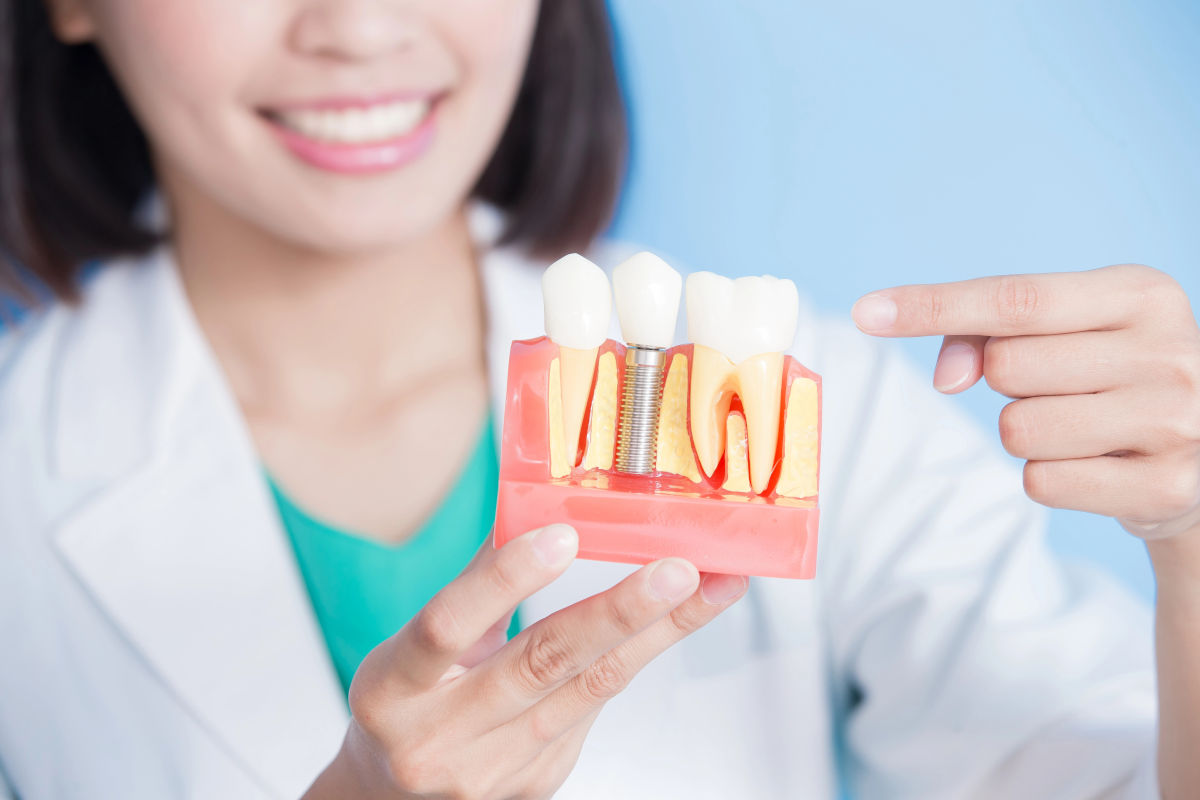
A dental implant is a three-component system that replaces a missing tooth from root to crown. The implant itself is a small titanium or zirconia post (typically 3.5-5mm in diameter and 8-13mm long) that is surgically placed into the jawbone, where it fuses with the bone through a biological process called osseointegration. An abutment connector is then attached to the top of the implant, and a custom dental crown is secured to the abutment, completing the restoration.
What makes implants unique compared to bridges and dentures is that they replace the tooth root. This stimulates the jawbone and prevents the bone resorption that inevitably occurs when a tooth is lost. Over time, patients with missing teeth who do not receive implants can lose 25% or more of their bone width in the first year alone, with continued progressive loss thereafter. Implants halt this process entirely.
The modern dental implant was developed by Swedish orthopedic surgeon Per-Ingvar Branemark in 1965, and implant technology has advanced dramatically since then. Today's implants feature surface modifications (sandblasting, acid-etching, or nanocoatings) that accelerate osseointegration, and digital planning software allows surgeons to place implants with sub-millimeter precision using guided surgery protocols.
Types of Dental Implants
Implants come in different forms depending on the clinical situation. Understanding the options helps you have a more informed conversation with your implant surgeon.
| Implant Type | Description | Best For | NYC Cost (2026) |
|---|---|---|---|
| Single-tooth implant | One implant + abutment + crown | Replacing one missing tooth | $3,000-$6,500 |
| Implant-supported bridge | 2+ implants supporting a multi-unit bridge | 3+ adjacent missing teeth | $6,000-$15,000 |
| All-on-4 / All-on-6 | 4-6 implants supporting a full-arch prosthesis | Full-mouth replacement | $20,000-$45,000 per arch |
| Mini implants | Smaller diameter implants (1.8-3.3mm) | Denture stabilization, narrow ridges | $1,000-$2,500 each |
| Zygomatic implants | Extra-long implants anchored in cheekbone | Severe upper jaw bone loss | $30,000-$50,000 per arch |
Titanium vs Zirconia Implants
The vast majority of implants placed worldwide (over 95%) are made from titanium alloy, which has a 50+ year track record of biocompatibility and osseointegration success. Zirconia (ceramic) implants are a newer alternative that appeals to patients who want a metal-free option or have concerns about titanium sensitivity. Zirconia implants are FDA-cleared, but their long-term data is limited to about 10-15 years compared to titanium's half-century track record. Zirconia implants also tend to cost 20-30% more than titanium.
"The implant system matters, but the surgeon's skill and the treatment planning matter more. A well-placed generic implant outperforms a poorly planned premium implant every time. Look for a provider who does comprehensive digital planning with cone-beam CT scans and surgical guides."
The Dental Implant Procedure: Step by Step
Phase 1: Consultation and Planning
The process begins with a comprehensive evaluation that includes a panoramic X-ray and, ideally, a cone-beam CT (CBCT) scan, which provides a 3D view of your jawbone, nerves, sinuses, and adjacent teeth. The surgeon assesses bone volume, density, and quality to determine whether the site can support an implant or whether bone grafting is needed first. Digital treatment planning software allows the surgeon to virtually place the implant in the optimal position and fabricate a surgical guide for precise execution.
Phase 2: Bone Grafting (If Needed)
Approximately 40-50% of implant patients require some form of bone grafting. Common grafting procedures include socket preservation (at the time of extraction), ridge augmentation (to widen a narrow ridge), and sinus lifts (to add bone height in the upper jaw). Grafting materials include autogenous bone (from the patient), allografts (donor bone), xenografts (bovine or porcine bone), and synthetic materials. Grafts typically require 3-6 months to mature before implant placement.
Phase 3: Implant Placement Surgery (1-2 hours)
The surgical appointment is performed under local anesthesia, with optional IV sedation or oral sedation for anxious patients. The surgeon makes a small incision in the gum, drills a precisely sized channel in the bone using a sequence of progressively larger drills, and threads the implant into position. The implant is either submerged beneath the gum (two-stage approach) or left with a healing cap protruding above the gumline (one-stage approach). The incision is sutured closed.
Phase 4: Osseointegration (3-4 months)
This is the critical healing phase where the implant fuses with the surrounding bone at a cellular level. During this time, you wear a temporary tooth replacement (flipper, Maryland bridge, or temporary crown in aesthetic zones). Osseointegration typically takes 3-4 months in the lower jaw and 4-6 months in the upper jaw (due to softer bone). Smoking, uncontrolled diabetes, and heavy bite forces can compromise this process.
Phase 5: Abutment and Crown (2-4 weeks)
Once osseointegration is confirmed (often via resonance frequency analysis), the abutment is placed and digital or traditional impressions are taken. A dental lab fabricates the final implant crown, typically from zirconia or E-max ceramic. The crown is either cemented or screw-retained onto the abutment. A screw-retained design is generally preferred by most implant specialists because it allows easy removal for maintenance without damaging the crown.
Warning: Do not smoke during the osseointegration phase. Smoking reduces blood flow to the surgical site and is the single biggest modifiable risk factor for implant failure. Studies show smoking reduces implant success rates from 97% to approximately 85-90%. Most surgeons strongly advise quitting at least 2 weeks before surgery and abstaining for at least 3 months after.
Recovery Timeline: What to Expect
| Timeframe | What to Expect | Tips |
|---|---|---|
| Day 1-3 | Swelling peaks, mild-moderate pain, slight bleeding | Ice 20 min on/20 off, soft foods, prescribed medications |
| Day 4-7 | Swelling decreases, bruising may appear, stitches dissolve | Gentle rinsing with salt water, continue soft diet |
| Week 2-3 | Most discomfort resolved, gums healing well | Gradually resume normal diet on opposite side |
| Month 1-3 | Osseointegration in progress, no symptoms | Avoid heavy biting on implant site, maintain oral hygiene |
| Month 3-6 | Osseointegration complete, ready for final crown | Attend follow-up for integration check and impression |
Most patients take 1-2 days off work after implant surgery, though desk workers often return the next day. The surgical site feels fully normal within 2-3 weeks, long before the underlying bone integration is complete.
Dental Implant Cost in NYC (2026 Overview)
Implant pricing in New York City reflects the city's higher overhead, the cost of premium implant systems, and the expertise of board-certified surgeons and prosthodontists. For a comprehensive breakdown of every cost component, see our dedicated dental implant cost guide.
| Component | National Average | NYC Average |
|---|---|---|
| Implant body (surgery) | $1,500-$3,000 | $2,000-$3,500 |
| Abutment | $300-$700 | $500-$1,000 |
| Implant crown | $1,000-$2,000 | $1,500-$2,500 |
| Total (single implant) | $2,500-$5,500 | $3,000-$6,500 |
| Bone graft (if needed) | $500-$2,500 | $800-$3,000 |
| CBCT scan | $150-$400 | $250-$500 |
"I tell my patients to think of a dental implant as a 25- to 30-year investment. When you divide the cost by the years of service, it comes out to roughly $150-$250 per year -- less than many people spend on coffee. No other tooth replacement option delivers that kind of long-term value per dollar."
Who Is a Good Candidate for Dental Implants?
Most adults with one or more missing teeth are candidates for dental implants. The ideal candidate has adequate jawbone volume, healthy gums, and no uncontrolled systemic conditions that impair healing. However, advances in bone grafting and implant design have expanded candidacy significantly -- many patients who were told they were "not candidates" 10 years ago can now be treated successfully.
Factors That Affect Implant Candidacy
- • Bone volume: Minimum 6mm width and 8mm height preferred; grafting available if insufficient
- • Gum health: Active periodontitis must be treated before implant placement
- • Smoking: Major risk factor; quitting dramatically improves outcomes
- • Diabetes: Controlled diabetes (HbA1c under 7%) does not significantly affect success rates
- • Medications: Bisphosphonates (for osteoporosis) require special precautions
- • Age: No upper age limit; implants are routinely placed in patients in their 80s and 90s
Implants vs Bridges vs Dentures
Choosing between implants, bridges, and dentures depends on your priorities, timeline, and budget. Here is how they compare:
Implants offer the best long-term value, preserve bone, and do not affect adjacent teeth, but they cost the most upfront and require surgery plus several months of healing. Bridges are faster (2-3 weeks), non-surgical, and more affordable, but they require preparing adjacent teeth and do not prevent bone loss. Dentures are the least expensive option and replace many teeth at once, but they can be uncomfortable, require adhesive, and accelerate bone loss due to pressure on the ridge.
For patients torn between implants and bridges, the deciding factors often come down to the health of the adjacent teeth (if they already need crowns, a bridge makes sense), whether bone preservation matters (younger patients benefit most from implants), and budget flexibility (implants cost more now but save money over a lifetime).
Choosing an Implant Provider in NYC
Implant surgery is performed by several types of dental professionals: oral surgeons, periodontists, prosthodontists, and general dentists with implant training. In New York City, you have access to some of the country's most experienced implant specialists, but quality varies widely.
Key credentials to look for: Board certification in oral surgery, periodontics, or prosthodontics; fellowship in implant organizations like AAID, ICOI, or ITI; experience with your specific type of case; and access to 3D imaging and digital planning technology. A well-reviewed practice with documented before-and-after results gives you additional confidence. Do not hesitate to seek a second opinion, especially for complex cases involving bone grafting or full-arch rehabilitation.
Warning: Be cautious of dramatically low implant prices (under $1,500 per implant in NYC). These may indicate the use of off-brand or unproven implant systems, lack of a CT scan for planning, or bundled pricing that excludes necessary components like the abutment, crown, or bone graft. Always ask for an itemized treatment plan that includes every component and fee.
Frequently Asked Questions
Most patients report that implant surgery is less painful than they expected. The procedure is performed under local anesthesia, so you feel pressure but no pain during surgery. Post-operative discomfort is typically managed with over-the-counter ibuprofen and peaks at 24-48 hours. Most patients rate their pain as 3-4 out of 10 and return to normal activities within 2-3 days. Sedation options (oral sedation, IV sedation) are available for anxious patients at most NYC practices.
The complete dental implant process takes 3-6 months from implant placement to final crown delivery. The surgical appointment itself lasts 1-2 hours. After placement, you wait 3-4 months for the implant to fuse with the bone (osseointegration). Then the abutment is placed, impressions are taken, and the final crown is fabricated and delivered over 2-4 additional weeks. If bone grafting is needed, add 3-6 months of healing before implant placement.
Dental implants have a 95-98% success rate over 10 years, making them one of the most predictable procedures in dentistry. In healthy non-smoking patients with adequate bone, success rates approach 99%. Factors that can lower success rates include smoking (reduces success to 85-90%), uncontrolled diabetes, heavy bruxism, and insufficient bone volume. Choosing an experienced implant surgeon significantly impacts outcomes.
Insurance coverage for dental implants has improved but remains inconsistent. About 40% of dental PPO plans now offer some implant coverage, typically paying 50% of the implant and crown up to the plan's annual maximum ($1,500-$2,500). Medical insurance may cover implants if tooth loss resulted from an accident or medical condition. FSA and HSA funds can be used for the full cost. Many NYC implant practices offer financing with 0% APR for 12-24 months.
Yes, but the longer you wait, the more bone loss occurs at the extraction site, which may require bone grafting before implant placement. Bone grafting adds $500-$3,000 to the total cost and 3-6 months of healing time. If you lost a tooth many years ago, your implant dentist will take a CT scan to evaluate remaining bone volume and determine whether grafting is necessary. Even patients who lost teeth decades ago can often receive implants with proper grafting.
Sources
1. American Academy of Implant Dentistry, "Dental Implant Facts and Figures," AAID, 2025.
2. Buser D, Sennerby L, De Bruyn H, "Modern implant dentistry based on osseointegration: 50 years of progress, current trends and open questions," Periodontology 2000, 2017; 73(1):7-21.
3. Pjetursson BE, Thoma DS, Jung RE, et al., "A systematic review of the survival and complication rates of implant-supported fixed dental prostheses," Clinical Oral Implants Research, 2012; 23 Suppl 6:163-174.
4. Chen H, Liu N, Xu X, et al., "Smoking, radiotherapy, diabetes and osteoporosis as risk factors for dental implant failure: a meta-analysis," PLoS One, 2013; 8(8):e71955.
5. Straumann Group, "Long-Term Performance of the Straumann Dental Implant System," Clinical White Paper, 2025.
6. American College of Prosthodontists, "Tooth Replacement Options: A Patient Guide," ACP, 2025.
7. Nobel Biocare, "All-on-4 Treatment Concept: Clinical Documentation," 2025.
8. U.S. Food and Drug Administration, "Dental Implants: What You Should Know," FDA Consumer Update, 2024.
Ready to Explore Dental Implants in NYC?
Connect with board-certified implant surgeons, periodontists, and prosthodontists across Manhattan, Brooklyn, Queens, and the Bronx.
Find a Provider in NYC