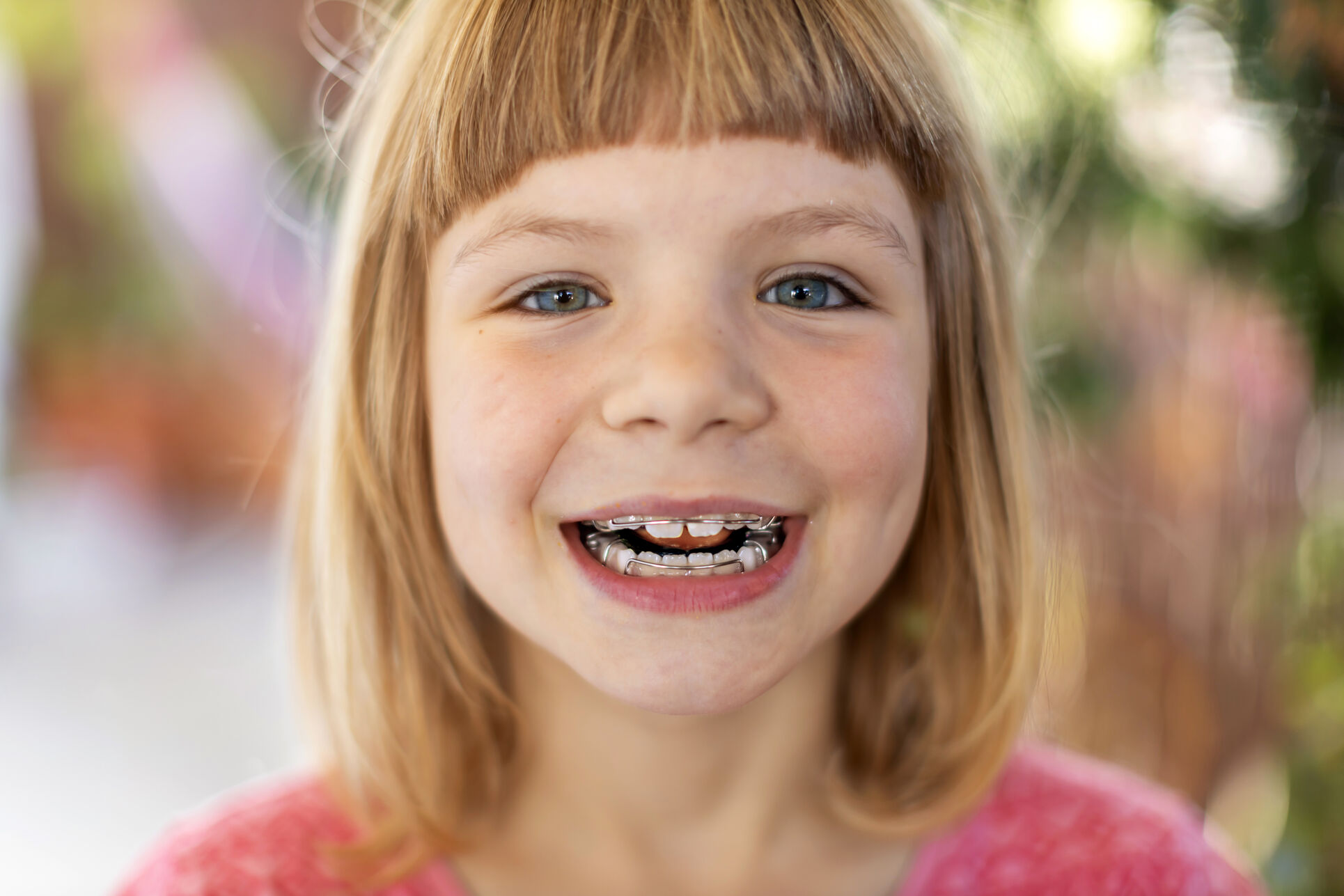
Orthodontics for Children: When to Start, What to Expect (2026 NYC Guide)
As a parent, deciding when and whether your child needs orthodontic treatment can feel overwhelming. Should you take your seven-year-old for an evaluation? Is early treatment really necessary, or is it better to wait? How much will it cost? The American Association of Orthodontists recommends a first orthodontic visit by age 7, and for good reason: early detection of jaw growth problems, eruption issues, and bite discrepancies can lead to simpler, shorter, and less expensive treatment down the road. This guide covers everything NYC parents need to know about children's orthodontics in 2026.
Key Facts: Children's Orthodontics in 2026
- • First evaluation: Age 7 (AAO recommendation)
- • Phase 1 treatment: Ages 7-10 | $2,500 - $5,000 in NYC | 6-18 months
- • Phase 2 treatment: Ages 11-14 | $3,000 - $8,000 in NYC | 12-24 months
- • Percentage needing early treatment: Only about 15-20% of children evaluated at age 7
- • Insurance: PPO plans cover $1,500-$3,000; better pediatric coverage under ACA plans
- • Treatment options: Metal braces, ceramic braces, Invisalign First, expanders, functional appliances
Why Age 7? Understanding the AAO Recommendation
The recommendation for a first orthodontic evaluation by age 7 often surprises parents. After all, most children still have a mix of baby teeth and permanent teeth at that age. The reason is biological timing: by age 7, enough key permanent teeth have erupted -- typically the first molars and front incisors -- for an orthodontist to evaluate three critical aspects of development:
- Jaw growth direction: Is the upper jaw growing forward enough? Is the lower jaw proportional? Signs of developing underbites, crossbites, or severe overbites are identifiable at this stage.
- Tooth eruption patterns: Are permanent teeth coming in correctly? Are any teeth impacted, missing, or erupting in the wrong position?
- Space analysis: Is there enough room in the dental arches for all the permanent teeth to erupt? Severe crowding can be identified early.
Importantly, an evaluation at age 7 does not mean treatment starts at age 7. The AAO estimates that only 15-20% of children evaluated at this age actually need early (Phase 1) treatment. For the majority, the orthodontist will recommend monitoring growth every 6-12 months and beginning treatment when the time is right -- usually between ages 11-14 when most permanent teeth have erupted.
"The age-7 evaluation is about information, not necessarily treatment. I see many parents who are relieved to learn that their child's teeth are developing normally and no treatment is needed yet. And for the children who do have a developing problem, catching it early gives us the best chance of a simpler, more effective treatment."
Signs Your Child May Need an Orthodontist
While age 7 is the recommended first visit, certain signs at any age should prompt an earlier evaluation:
- Difficulty biting or chewing: The teeth are not meeting properly, affecting function.
- Mouth breathing: Chronic mouth breathing can indicate a narrow upper jaw or airway restriction that affects jaw development.
- Thumb sucking beyond age 5-6: Prolonged habits can push front teeth forward and alter jaw growth.
- Early or late loss of baby teeth: Losing baby teeth significantly earlier or later than expected can signal eruption problems.
- Crowding or blocking of erupting teeth: Permanent teeth coming in behind baby teeth ("shark teeth") or unable to erupt due to crowding.
- Protruding front teeth: Upper front teeth that stick out significantly are at higher risk of trauma during falls and sports.
- Crossbite: Upper teeth sitting inside the lower teeth, which can cause asymmetric jaw growth if not corrected.
- Underbite: Lower teeth in front of upper teeth, especially if the child has a family history of underbites.
- Speech difficulties: Lisping or difficulty pronouncing certain sounds due to tooth or jaw position.
Phase 1 (Early) Treatment: Ages 7-10
Phase 1 orthodontic treatment, also called interceptive orthodontics, addresses specific problems that benefit from correction during the growth period. It typically involves a limited set of appliances worn for 6-18 months.
Common Phase 1 Appliances
| Appliance | What It Does | Treatment Time | NYC Cost |
|---|---|---|---|
| Palatal expander (RPE) | Widens the upper jaw to correct crossbites and create space | 3-6 months active, 3-6 months retention | $1,500 - $3,500 |
| Facemask / reverse-pull headgear | Pulls the upper jaw forward to correct underbites | 12-18 months (worn 10-14 hrs/day) | $2,000 - $4,000 |
| Space maintainer | Holds space after early loss of baby teeth | Until permanent tooth erupts | $200 - $600 |
| Partial braces (2x4 appliance) | Aligns specific teeth; corrects crossbites or impactions | 6-12 months | $2,000 - $4,000 |
| Habit appliance (tongue crib) | Discourages thumb sucking and tongue thrusting | 6-12 months | $500 - $2,000 |
| Invisalign First | Clear aligners for children ages 6-10 with mixed dentition | 6-18 months | $3,000 - $5,000 |
Conditions That Benefit Most from Early Treatment
- Posterior crossbite: If the upper jaw is narrower than the lower jaw on one or both sides, a palatal expander can correct this while the palatal suture is still flexible (before age 12-14). Uncorrected crossbites can cause asymmetric jaw growth.
- Developing underbite (Class III): Facemask therapy is most effective between ages 7-10 and can reduce or eliminate the need for jaw surgery in adulthood.
- Severe overbite with trauma risk: Protruding front teeth are 2-3 times more likely to be injured during falls. Early correction protects the teeth.
- Impacted or ectopic teeth: If a permanent tooth is blocked from erupting by a baby tooth or growing in the wrong direction, early intervention can guide it into place.
- Severe crowding: Expansion can create space for permanent teeth to erupt without extraction.
Warning: Not all orthodontic problems benefit from early treatment. Some conditions are better addressed in a single comprehensive phase during adolescence. If an orthodontist recommends Phase 1 treatment, ask specifically what problem it will address and what happens if you wait. A reputable orthodontist will not recommend early treatment unless there is a clear clinical benefit.
Phase 2 (Comprehensive) Treatment: Ages 11-14
Phase 2 is the traditional "braces" phase that most people think of. It begins after most or all permanent teeth have erupted -- typically around age 11-13. This is when comprehensive alignment and bite correction happen.
Treatment Options for Teens
- Metal braces: The most common and often most effective option for teens. Modern brackets are smaller and more comfortable than ever. Cost: $4,000-$7,000 in NYC.
- Ceramic braces: Tooth-colored brackets for teens who want a less noticeable option. Slightly more fragile than metal. Cost: $5,000-$8,000 in NYC.
- Invisalign Teen: Clear aligners with compliance indicators (blue dots that fade with wear) and free replacement aligners for lost trays. Requires maturity and discipline. Cost: $4,500-$8,000 in NYC.
- Self-ligating braces (Damon): Brackets that do not need elastic ties, potentially reducing friction and appointment time. Cost: $4,500-$8,000 in NYC.
"The biggest factor in choosing between braces and Invisalign for a teenager is compliance. Invisalign only works if the aligners are worn 20-22 hours per day. Some teens are incredibly disciplined; others will leave their aligners in their backpack all day. I always have an honest conversation with both the parent and the teen about realistic wear expectations before recommending Invisalign."
Cost and Insurance for Children's Orthodontics in NYC
| Treatment Phase | NYC Cost Range | Typical Insurance Coverage | Estimated Out-of-Pocket |
|---|---|---|---|
| Phase 1 (early intervention) | $2,500 - $5,000 | $1,000 - $2,000 | $1,500 - $3,000 |
| Phase 2 (metal braces) | $4,000 - $7,000 | $1,500 - $3,000 | $2,500 - $4,000 |
| Phase 2 (ceramic braces) | $5,000 - $8,000 | $1,500 - $3,000 | $3,500 - $5,000 |
| Phase 2 (Invisalign Teen) | $4,500 - $8,000 | $1,500 - $3,000 | $3,000 - $5,000 |
Insurance Tips for NYC Parents
- ACA pediatric dental: Under the Affordable Care Act, pediatric dental coverage (including orthodontics) is an essential health benefit for children under 19. Many marketplace plans include orthodontic coverage that traditional dental plans do not.
- Lifetime orthodontic maximum: Most dental plans have a single lifetime maximum for orthodontics ($1,500-$3,000). This means if you use it for Phase 1, there may be little or nothing left for Phase 2. Plan strategically with your orthodontist.
- FSA/HSA: Use pre-tax Flexible Spending Account or Health Savings Account dollars for orthodontics. With NYC's combined federal, state, and city income tax rates, this can save families 30-40%.
- Sibling discounts: Many NYC orthodontists offer 5-15% discounts for siblings treated in the same practice.
- Dependent Care FSA: If your employer offers a Dependent Care FSA, orthodontic treatment for children under 13 may qualify in certain circumstances.
NYC Medicaid Coverage for Children's Orthodontics
- • New York Medicaid covers orthodontics for children under 21 with a qualifying malocclusion
- • A Handicapping Labio-Lingual Deviation (HLD) score of 26+ is required for approval
- • Prior authorization is required before treatment begins
- • Finding Medicaid-accepting orthodontists in NYC can be challenging; dental schools (NYU, Columbia) are good options
What to Expect at Your Child's First Orthodontic Visit
A first orthodontic evaluation typically takes 30-60 minutes and includes:
- Clinical examination: The orthodontist examines your child's teeth, bite, jaw alignment, and facial symmetry.
- X-rays: A panoramic X-ray shows all teeth (including unerupted ones) and a cephalometric X-ray evaluates jaw position and growth.
- 3D scan or impressions: Digital scanning creates a precise model of your child's teeth. This has largely replaced messy impression trays.
- Discussion of findings: The orthodontist explains what they see, whether treatment is needed now or later, and presents options if treatment is recommended.
- Cost estimate: If treatment is recommended, you will receive a detailed cost breakdown including insurance estimates and payment plan options.
Most NYC orthodontists offer free or low-cost initial consultations for children. Many practices are conveniently located near subway stations in Manhattan, Brooklyn, and Queens, making after-school appointments accessible for busy NYC families.
Helping Your Child Through Orthodontic Treatment
Parents play a crucial role in the success of their child's orthodontic treatment. Here are practical tips:
- Set a positive tone: Avoid using words like "painful" or "scary" when discussing braces. Most children handle braces well, and modern systems cause significantly less discomfort than older ones.
- Supervise oral hygiene: Children under 12 generally need help brushing around braces. Use a timer and consider investing in an electric toothbrush with an orthodontic head.
- Monitor dietary compliance: Enforce the no-hard-candy, no-sticky-food rules. Broken brackets extend treatment time and increase costs.
- Ensure appliance wear: If your child has a removable appliance, expander, or Invisalign, compliance is critical. Set reminders and check in daily.
- Keep appointments: Regular adjustment visits (every 4-8 weeks) keep treatment on track. Missing appointments is one of the top reasons treatment takes longer than planned.
- Address discomfort proactively: Stock up on orthodontic wax, soft foods, and OTC pain relief for the first few days after adjustments.
Warning: If your child plays sports, a mouthguard is essential during orthodontic treatment. Braces increase the risk of soft tissue lacerations during impacts. Orthodontic-specific mouthguards are available at sporting goods stores for $20-$50 or custom-made by your dentist for $200-$500. This is not optional for contact sports.
Frequently Asked Questions
The American Association of Orthodontists recommends a first orthodontic evaluation by age 7. At this age, enough permanent teeth have erupted for an orthodontist to identify developing problems with jaw growth, tooth eruption, and bite alignment. An early evaluation does not mean treatment will start immediately. In most cases the orthodontist will monitor growth and recommend treatment at the optimal time, which may be years later.
Children's braces in New York City typically cost $4,000 to $8,000 for comprehensive treatment. Phase 1 early treatment costs $2,500 to $5,000 and Phase 2 braces afterward cost an additional $3,000 to $6,000. Many NYC orthodontic offices offer family discounts for siblings and 0 percent interest payment plans. Dental insurance PPO plans typically cover $1,500 to $3,000 of orthodontic treatment for children under 19, and some plans have higher maximums for pediatric coverage.
Not every child needs Phase 1 early treatment. It is recommended for specific conditions where early intervention provides a clear benefit, such as crossbites, severe crowding preventing permanent teeth from erupting, protruding front teeth at risk of trauma, underbites with jaw growth issues, and harmful oral habits like thumb sucking. If your child does not have these issues, waiting for full Phase 2 treatment in their early teens is usually appropriate.
Yes. Invisalign First is specifically designed for children ages 6 to 10 with mixed dentition and can address many early treatment needs including crowding, spacing, and narrow arches. For older children and teens, Invisalign Teen includes compliance indicators and extra replacement aligners. However, traditional braces may be more effective for certain issues like severe rotations or complex bite problems, and are often preferred for younger children who may not be compliant with removable aligners.
Phase 1 early treatment typically lasts 6 to 18 months. Comprehensive Phase 2 treatment with full braces usually takes 12 to 24 months, with an average of about 18 months. The total time depends on the severity of the orthodontic issues, the child's growth pattern, and compliance with elastics and appliance wear. After braces are removed, retainer wear is required to maintain the results, typically nightly for the first year and then several nights per week long-term.
Sources
1. American Association of Orthodontists. "Why Age 7? The Right Time for an Orthodontic Check-Up." AAO.org, 2025.
2. Proffit WR, Fields HW, Sarver DM. "Contemporary Orthodontics." 7th Edition, Elsevier, 2024.
3. Tulloch JF, Proffit WR, Phillips C. "Outcomes in a 2-phase randomized clinical trial of early Class II treatment." American Journal of Orthodontics, 2004;125(6):657-667.
4. Align Technology. "Invisalign First: Clinical Guide for Mixed Dentition Treatment." 2025.
5. American Academy of Pediatric Dentistry. "Guideline on Management of the Developing Dentition." AAPD Reference Manual, 2024.
6. Centers for Medicare and Medicaid Services. "Medicaid Dental Coverage for Children: State-by-State Guide." CMS.gov, 2025.
7. New York State Department of Health. "Child Health Plus and Medicaid Orthodontic Benefits." NYS Health, 2025.
8. Batista KB, et al. "Palatal expansion treatment in children: A systematic review." Journal of Dental Research, 2022;101(10):1158-1167.
Schedule Your Child's First Orthodontic Evaluation
Find a top-rated orthodontist in NYC who specializes in children's orthodontics. Most offer free consultations for new patients.
Find a Provider in NYC