Open Bite Correction in 2026: Causes, Treatments & Costs (NYC Guide)
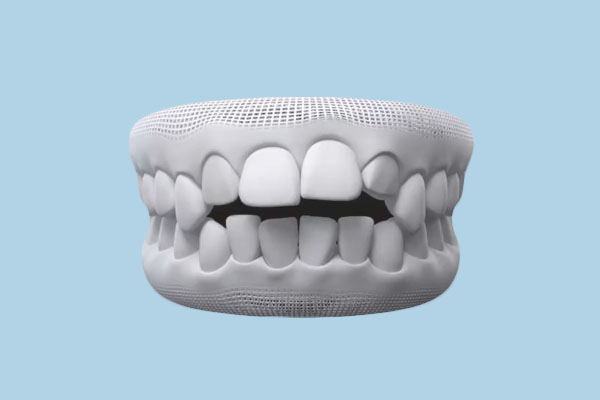
An open bite -- a gap between the upper and lower teeth when the mouth is closed -- affects an estimated 3-5% of the U.S. population and is considered one of the more challenging malocclusions to treat. Whether your front teeth do not touch (anterior open bite) or your back teeth fail to meet (posterior open bite), this condition can affect chewing, speech, and facial aesthetics. In 2026, NYC patients have access to a wider range of correction options than ever, from Invisalign with precision biomechanics to minimally invasive surgical techniques. This guide covers every treatment path, expected costs, and how to choose the right approach.
Key Facts: Open Bite Correction in 2026
- • Prevalence: 3-5% of the U.S. population; more common in children
- • NYC treatment costs: $3,000 - $10,000 (orthodontics only); $25,000 - $48,000 (with surgery)
- • Treatment time: 12-24 months (orthodontics); 2-3 years (surgical cases)
- • Best for mild cases: Invisalign or braces with TADs
- • Best for severe cases: Orthognathic jaw surgery + orthodontics
- • Relapse rate: 20-35% without proper retention and habit correction
What Is an Open Bite?
An open bite is a type of malocclusion (bad bite) where certain teeth do not make contact when the jaws are closed. Unlike an overbite or underbite, which involve vertical overlap or horizontal discrepancy, an open bite creates a visible gap -- you can literally see space between your upper and lower teeth even with your mouth fully shut.
There are two main types:
- Anterior open bite: The front teeth do not touch when the back teeth are together. This is the most common form, accounting for roughly 80-85% of open bite cases. It affects biting into food and can cause lisping or difficulty pronouncing "s" and "t" sounds.
- Posterior open bite: The back teeth do not touch when the front teeth are together. This is less common and primarily affects chewing efficiency. It can also lead to TMJ issues due to uneven bite force distribution.
What Causes an Open Bite?
Open bites result from a combination of genetic, developmental, and habitual factors. Understanding the cause is critical because it directly influences which treatment will be most effective and stable long-term.
| Cause | Type of Open Bite | Age Group | Treatment Approach |
|---|---|---|---|
| Thumb sucking / pacifier use | Dental (anterior) | Children | Habit cessation; may self-correct by age 7 |
| Tongue thrusting | Dental (anterior) | All ages | Myofunctional therapy + orthodontics |
| Skeletal growth pattern (long face syndrome) | Skeletal | Teens / Adults | Orthognathic surgery + orthodontics |
| TMJ disorder / condylar resorption | Skeletal (progressive) | Adults | TMJ treatment first, then orthodontics/surgery |
| Mouth breathing / airway obstruction | Dental + Skeletal | Children / Teens | Address airway (ENT), then orthodontics |
| Genetics (vertical maxillary excess) | Skeletal | All ages | Surgery for moderate-severe; braces/TADs for mild |
"The single most important step in open bite treatment is identifying the underlying cause. A dental open bite from tongue thrusting responds very differently to treatment than a skeletal open bite from vertical maxillary excess. Treating the teeth without addressing the cause leads to relapse in the majority of cases."
Open Bite Treatment Options in 2026
The right treatment depends on the severity and cause of your open bite, your age, and your goals. Here are all the current options available to NYC patients:
Traditional Braces with TADs (Temporary Anchorage Devices)
Braces combined with TADs (mini-screws placed into the jawbone to provide anchorage) are considered the gold standard for moderate open bites that do not require surgery. TADs allow the orthodontist to intrude (push up) the back teeth, which causes the jaw to rotate closed and brings the front teeth together. This approach avoids surgery while achieving results that were previously only possible with surgical intervention.
- NYC cost: $5,000 - $9,000 (includes TAD placement)
- Treatment time: 18-24 months
- Success rate: 80-90% for moderate dental/skeletal open bites
- Best for: Patients with 3-6mm anterior open bite who want to avoid surgery
Invisalign for Open Bite
Invisalign has made significant advances in open bite treatment through precision cut aligners and optimized posterior intrusion mechanics. The aligners use built-in bite ramps and strategic attachment placement to intrude posterior teeth and guide the bite closed.
- NYC cost: $4,500 - $8,500
- Treatment time: 12-18 months for mild cases; 18-24 months for moderate
- Success rate: 70-80% for mild to moderate anterior open bites
- Best for: Adults with mild open bites (1-3mm) who prefer clear aligners
Orthognathic (Jaw) Surgery
For severe skeletal open bites -- particularly those caused by vertical maxillary excess or significant jaw discrepancies -- orthognathic surgery is often the only way to achieve a stable, long-term correction. The most common procedure for open bite is a Le Fort I osteotomy with posterior impaction, which repositions the upper jaw upward in the back to close the bite.
- NYC cost: $20,000 - $40,000 (surgery only); $25,000 - $48,000 (total with orthodontics)
- Treatment time: 2-3 years total (pre-surgical ortho + surgery + post-surgical ortho)
- Success rate: 90-95% with lower relapse rates than orthodontics alone
- Best for: Severe skeletal open bites (6mm+), facial asymmetry, long face syndrome
Warning: Be cautious of any provider who promises to fix a severe skeletal open bite with aligners alone. While technology has improved, skeletal open bites with jaw discrepancies greater than 5-6mm typically require surgical intervention for a stable result. Getting a second opinion from a board-certified orthodontist is always recommended for open bite cases.
Open Bite Treatment Comparison
| Treatment | NYC Cost | Duration | Severity | Relapse Risk |
|---|---|---|---|---|
| Invisalign | $4,500 - $8,500 | 12-24 months | Mild to moderate | Moderate (25-35%) |
| Braces + TADs | $5,000 - $9,000 | 18-24 months | Mild to moderate-severe | Lower (15-25%) |
| Braces + Surgery | $25,000 - $48,000 | 2-3 years | Severe / Skeletal | Lowest (5-15%) |
| Habit correction only | $500 - $2,000 | 6-12 months | Very mild (children) | Variable |
The Role of Myofunctional Therapy
Regardless of which treatment you choose, myofunctional therapy -- exercises to retrain the tongue, lips, and facial muscles -- is increasingly recognized as a critical companion to open bite treatment. A 2023 systematic review in the European Journal of Orthodontics found that patients who combined orthodontic treatment with myofunctional therapy had a 40-50% lower relapse rate than those treated with orthodontics alone.
In NYC, certified orofacial myologists (COM) typically charge $100-$200 per session, with most patients needing 10-20 sessions over 6-12 months. Some orthodontic practices have myofunctional therapists on staff or can provide referrals. This added cost is well worth it considering the high cost of retreatment if your open bite relapses.
"I will not start open bite treatment without first addressing the tongue thrust. You can spend $8,000 on braces and TADs, but if the patient is pushing their tongue forward 2,000 times a day during swallowing, the open bite will come right back within a year or two of debonding."
Insurance and Financing in NYC
Open bite correction may be partially covered by both dental and medical insurance, depending on the treatment approach:
- Dental insurance (PPO): Typically covers $1,500-$3,000 of orthodontic treatment (braces or Invisalign). Most plans have a lifetime orthodontic maximum.
- Medical insurance: May cover orthognathic surgery if deemed medically necessary. Coverage varies widely but can be 60-80% of surgical costs after deductibles. Pre-authorization is required.
- FSA/HSA accounts: Both orthodontic treatment and jaw surgery qualify as eligible expenses. NYC residents can save 25-35% on out-of-pocket costs by using pre-tax dollars.
- Payment plans: Most NYC orthodontic offices offer 0% interest financing over 12-24 months. Monthly payments typically range from $150-$400.
Insurance Tip for Surgical Open Bite Cases
- • Ask your orthodontist and oral surgeon to submit a letter of medical necessity to your medical insurance
- • Include documentation of functional impairment (difficulty chewing, speech issues, TMJ pain)
- • Medical insurance covers the surgery; dental insurance covers the orthodontics -- you can use both
- • Get pre-authorization before starting treatment to avoid surprise denials
Open Bite Treatment in Children
The American Association of Orthodontists recommends a first orthodontic evaluation by age 7, and this is especially important for children showing signs of open bite. Early intervention -- known as Phase 1 treatment -- can address the underlying causes before they become entrenched:
- Habit appliances: Tongue cribs or habit rakes discourage tongue thrusting and thumb sucking. Cost: $500-$2,000 in NYC.
- Palatal expanders: If the open bite is related to a narrow palate, expansion creates more room and can help the bite close naturally.
- Growth modification: In growing children, high-pull headgear or functional appliances can redirect jaw growth patterns.
Early treatment of dental open bites in children has a success rate of 80-90% when the underlying habit is eliminated before the permanent teeth are fully erupted. For more on pediatric orthodontics, see our guide on braces for kids.
Recovery and Retention After Open Bite Correction
Open bite cases have among the highest relapse rates of all orthodontic corrections. Proper retention is not optional -- it is essential to protecting your investment:
- Bonded retainers: A fixed wire bonded behind the upper and lower front teeth. Stays in place 24/7 and is the strongest defense against relapse. Cost: $300-$600 per arch in NYC.
- Removable retainers: Hawley retainers or clear Essix/Vivera retainers worn nightly for life. Cost: $200-$600 per set.
- Combination approach: Many orthodontists recommend both bonded and removable retainers for open bite patients.
- Myofunctional maintenance: Continued tongue posture exercises even after active therapy ends.
Frequently Asked Questions
In young children, an anterior open bite caused by thumb sucking or pacifier use may self-correct if the habit stops before age 6 to 7. However, skeletal open bites and open bites in teens or adults will not resolve on their own. Without treatment, an open bite typically worsens over time due to continued tongue thrusting habits, jaw growth patterns, and the natural eruption tendencies of teeth. Early intervention is recommended for the best outcomes.
Yes, Invisalign can correct mild to moderate anterior open bites effectively. Invisalign uses intrusion mechanics and precision cuts in the aligners to push back teeth upward, allowing the front teeth to come together. Studies show success rates of 70 to 80 percent for mild open bites treated with Invisalign. Severe skeletal open bites or cases requiring significant vertical control may still need braces with temporary anchorage devices or orthognathic surgery.
Treatment time varies by severity and method. Mild open bites treated with braces or Invisalign typically take 12 to 18 months. Moderate cases require 18 to 24 months. Severe skeletal open bites needing surgery require 12 to 18 months of pre-surgical orthodontics, the surgery itself, then 6 to 12 months of post-surgical orthodontics, totaling 2 to 3 years. Retainer wear afterward is critical since open bites have a higher relapse rate than other malocclusions.
Orthognathic surgery for open bite correction in New York City typically costs $20,000 to $40,000 for the surgical procedure alone, plus $5,000 to $8,000 for the orthodontic treatment before and after surgery. Medical insurance often covers a significant portion of jaw surgery if it is deemed medically necessary. With insurance, out-of-pocket costs for the surgical component may be $3,000 to $8,000. Orthodontic costs are usually covered separately by dental insurance up to $1,500 to $3,000.
Open bites have a higher relapse rate than other orthodontic corrections, estimated at 20 to 35 percent. Relapse is most common when tongue thrust habits are not addressed during treatment. To minimize relapse, orthodontists recommend tongue thrust therapy with a myofunctional therapist, bonded retainers on both arches, and consistent nightly retainer wear for life. Surgical corrections of skeletal open bites tend to have more stable long-term results than orthodontics-only approaches.
Sources
1. Proffit WR, Fields HW, Sarver DM. "Contemporary Orthodontics." 7th Edition, Elsevier, 2024.
2. Greenlee GM, Huang GJ, Chen SSH, Chen J, Koepsell T, Hujoel P. "Stability of treatment for anterior open-bite malocclusion: A meta-analysis." American Journal of Orthodontics and Dentofacial Orthopedics, 2011;139(2):154-169.
3. Fonseca RD, et al. "Efficacy of temporary anchorage devices in open bite correction: Systematic review." European Journal of Orthodontics, 2023;45(3):289-298.
4. Align Technology. "Invisalign Open Bite Protocol: Clinical Guide for Providers." 2025.
5. American Association of Orthodontists. "Open Bite: Causes and Treatment Options." Patient Education, 2025.
6. Smithpeter J, Covell D. "Relapse of anterior open bites treated with orthodontic appliances with and without orofacial myofunctional therapy." American Journal of Orthodontics, 2010;137(5):605-614.
7. National Institutes of Health. "Orthognathic Surgery: What Patients Should Know." NIH Publication, Updated 2024.
8. New York State Insurance Department. "Understanding Orthodontic and Oral Surgery Coverage." Consumer Guide, 2025.
Struggling with an Open Bite? Get Expert Help in NYC
Connect with a board-certified orthodontist who specializes in open bite correction. Free consultations available at top NYC practices.
Find a Provider in NYC