Cavity Treatment in 2026: Types, Cost & Prevention (NYC Guide)
Cavities are the single most common chronic disease in America -- affecting 90% of adults over age 20 and costing the US healthcare system billions annually. In New York City, where a single filling can run $200-$600 and a root canal can exceed $2,000, understanding your treatment options and insurance coverage is not just helpful -- it is financially essential. This 2026 guide walks you through every stage of cavity treatment, from early detection to full restoration.
Key Takeaways: Cavity Treatment in 2026
- • Prevalence: 90% of US adults have had at least one cavity
- • NYC filling cost: $200-$600 (composite); $150-$300 (amalgam)
- • NYC root canal cost: $800-$1,500 (front tooth); $1,000-$2,000 (molar)
- • NYC crown cost: $1,000-$2,500 per tooth
- • Early cavities: May be reversible with fluoride before enamel is breached
- • Insurance: PPO plans cover fillings at 50-80%; crowns/root canals at 50%
What Is a Cavity?
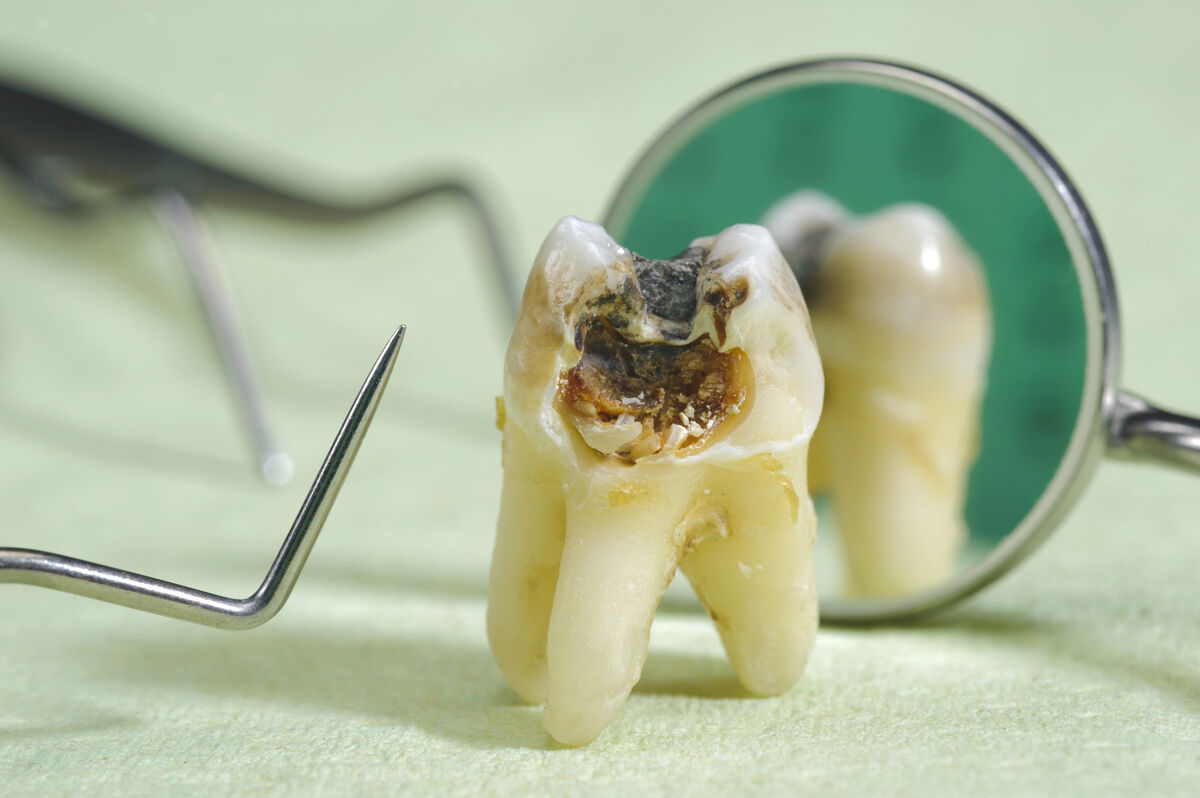
A cavity (dental caries) is a permanently damaged area in the hard surface of a tooth that develops into a tiny hole. Cavities form through a process called demineralization: bacteria in the mouth feed on sugars from food and drink, producing acids that dissolve the minerals in tooth enamel. Over time, these acids create a hole that grows progressively deeper, eventually reaching the softer dentin layer beneath the enamel and, if untreated, the nerve-containing pulp at the tooth's center.
The process is not instantaneous. A cavity typically takes months to years to form, which is why regular dental checkups with X-rays are so effective at catching decay early -- when treatment is simplest, least invasive, and least expensive.
The Five Stages of Tooth Decay
Understanding the stages of cavity progression helps explain why early detection matters so much -- each stage requires progressively more complex (and costly) treatment:
| Stage | What Happens | Symptoms | Treatment | NYC Cost |
|---|---|---|---|---|
| 1. Demineralization | White spots on enamel; mineral loss begins | Usually none | Fluoride treatment, improved hygiene | $30-$75 |
| 2. Enamel Decay | Enamel breaks down; small hole forms | Mild sensitivity | Small filling | $200-$450 |
| 3. Dentin Decay | Decay reaches softer dentin layer | Increased sensitivity, pain | Larger filling or inlay/onlay | $300-$800 |
| 4. Pulp Damage | Bacteria reach the tooth's nerve (pulp) | Severe pain, sensitivity, swelling | Root canal + crown | $1,800-$4,500 |
| 5. Abscess | Infection spreads; pus pocket forms | Intense pain, swelling, fever | Root canal or extraction + replacement | $2,000-$6,000+ |
Warning: A dental abscess is a medical emergency. If you experience severe, throbbing tooth pain accompanied by swelling, fever, or a foul taste in your mouth, seek immediate dental care. Untreated abscesses can spread to the jaw, head, neck, or even the bloodstream (sepsis), which can be life-threatening.
Cavity Treatment Types
Fluoride Treatments (Stage 1)
For very early cavities that have not yet broken through the enamel, professional fluoride treatments can remineralize the weakened area and reverse the damage. These treatments contain much higher fluoride concentrations than over-the-counter toothpaste and come in the form of gels, foams, varnishes, or rinses applied directly to the teeth. In NYC, a professional fluoride treatment costs $30 to $75 and is often covered by insurance for children and sometimes for adults at high risk for decay.
Dental Fillings (Stages 2-3)
Fillings are the most common cavity treatment. The dentist removes the decayed portion of the tooth and fills the space with a restorative material. In 2026, patients in NYC have several filling material options:
Composite resin (tooth-colored): The most popular choice in 2026, composite fillings are made from a mixture of glass or quartz particles in a resin matrix. They bond directly to the tooth, require less drilling than amalgam, and match natural tooth color. NYC cost: $200-$450 per surface.
Amalgam (silver): A durable alloy of mercury, silver, tin, and copper. Amalgam fillings are stronger and less expensive than composite but are highly visible. Their use has declined significantly -- many NYC practices no longer offer them. Cost: $150-$300 per surface. The FDA considers dental amalgam safe for adults and children ages 6 and above.
Ceramic (porcelain) inlays/onlays: Lab-fabricated restorations used for larger cavities that are too big for a standard filling but do not require a full crown. They offer superior aesthetics and durability. NYC cost: $800-$1,500 per tooth.
Gold inlays/onlays: Extremely durable (lasting 20+ years) but expensive and cosmetically conspicuous. Rarely chosen for aesthetic reasons. NYC cost: $1,000-$2,000 per tooth.
"In 2026, composite resin is the standard of care for most fillings. The materials have improved dramatically -- modern composites are more durable, polish better, and last longer than what we had even five years ago. For most patients, there is no clinical reason to choose amalgam over composite."
| Filling Type | NYC Cost (2026) | Durability | Aesthetics | Best For |
|---|---|---|---|---|
| Composite resin | $200-$450/surface | 7-15 years | Excellent (tooth-colored) | Most cavities; front and back teeth |
| Amalgam | $150-$300/surface | 10-15 years | Poor (silver/dark color) | Back teeth where cost is a factor |
| Ceramic inlay/onlay | $800-$1,500/tooth | 15-20+ years | Excellent | Larger cavities; premium option |
| Gold inlay/onlay | $1,000-$2,000/tooth | 20-30+ years | Poor (gold color) | Maximum durability; back teeth |
Dental Crowns (Stages 3-4)
When a cavity is too large for a filling to restore the tooth's structural integrity, a dental crown is needed. A crown is a custom-made cap that covers the entire visible portion of the tooth above the gumline. Modern crowns are made from porcelain, zirconia, porcelain-fused-to-metal (PFM), or gold. In NYC, a single dental crown costs $1,000 to $2,500 depending on the material and location. Many practices now offer same-day CEREC crowns milled in-office, eliminating the need for a temporary crown and second visit.
Root Canal Therapy (Stage 4)
When decay penetrates the pulp chamber -- the innermost part of the tooth containing nerves and blood vessels -- a root canal becomes necessary to save the tooth. During the procedure, the dentist or endodontist removes the infected pulp, cleans and shapes the root canals, fills them with a biocompatible material (gutta percha), and seals the tooth. A crown is almost always placed afterward to protect the weakened tooth.
In NYC, root canal costs in 2026 are:
- Front tooth (1 canal): $800-$1,500
- Premolar (1-2 canals): $900-$1,700
- Molar (3-4 canals): $1,000-$2,000
- Crown (additional): $1,000-$2,500
Root canals have a success rate exceeding 95% and are almost always preferable to tooth extraction, which requires subsequent replacement with a bridge or implant at even greater cost.
Tooth Extraction (Stage 5)
When a tooth is too damaged to be saved -- whether from extensive decay, fracture, or infection -- extraction becomes the last resort. After extraction, the missing tooth should typically be replaced with a dental implant ($3,000-$6,000 in NYC), a dental bridge ($2,000-$5,000), or a removable partial denture ($500-$2,500) to prevent neighboring teeth from shifting and to maintain proper bite function.
"The most expensive cavity is the one you ignore. I regularly see patients who avoided a $300 filling, only to come back needing a $3,000 root canal and crown. Early detection and treatment is always the most cost-effective approach."
Insurance Coverage and Financing
Understanding how dental insurance applies to cavity treatment can save NYC patients hundreds or even thousands of dollars:
Insurance Tips for Cavity Treatment
- • Preventive (cleanings, X-rays, fluoride): Usually covered at 100%
- • Basic restorative (fillings): Covered at 50-80% by most PPO plans
- • Major restorative (crowns, root canals): Covered at 50% by most PPO plans
- • Annual maximum: $1,500-$2,500 for most plans -- plan complex work across calendar years
- • Waiting periods: Some plans have 6-12 month waiting periods for major procedures
- • Compare plans with our PPO vs HMO comparison guide
- • Need help paying? See our dental financing options
Preventing Cavities: Evidence-Based Strategies
Prevention is dramatically less expensive and less painful than treatment. Here are the most effective strategies based on current dental research:
- Brush twice daily with fluoride toothpaste: Fluoride is the most effective agent for preventing cavities. Use a toothpaste with at least 1,000 ppm fluoride (all ADA-accepted toothpastes meet this threshold).
- Floss or use interdental brushes daily: Cavities between teeth (interproximal caries) are extremely common and can only be prevented by cleaning between teeth.
- Limit sugar intake and frequency: It is not just how much sugar you eat, but how often. Frequent snacking bathes teeth in acid throughout the day.
- Drink water (especially fluoridated tap water): NYC tap water contains optimal fluoride levels (0.7 ppm) for cavity prevention.
- Get regular dental checkups: Biannual exams with X-rays catch cavities early when treatment is simplest.
- Consider dental sealants: Thin protective coatings applied to the chewing surfaces of back teeth. Sealants reduce cavity risk by up to 80% in molars.
- Chew sugar-free gum with xylitol: Stimulates saliva production and xylitol inhibits bacterial growth.
Cavities During Orthodontic Treatment
Patients wearing braces or Invisalign face a higher risk of developing cavities due to additional surfaces where plaque can accumulate. Brackets and wires trap food debris, while aligners can hold sugary liquids against teeth if patients drink anything other than water while wearing them.
To minimize cavity risk during orthodontic treatment:
- Brush after every meal, not just twice daily
- Use a fluoride rinse nightly
- Only drink water while wearing Invisalign aligners
- Attend all scheduled dental cleanings during treatment
- Ask your orthodontist about prescription-strength fluoride toothpaste (like PreviDent 5000)
Warning: If you develop a cavity during orthodontic treatment, do not wait until braces are removed to address it. Cavities continue to grow and can compromise both your dental health and your orthodontic results. Your orthodontist and general dentist should coordinate care to treat the cavity without disrupting your treatment plan.
Frequently Asked Questions
In New York City, a composite (tooth-colored) filling costs $200-$450 for a single surface and $300-$600 for multiple surfaces. Silver amalgam fillings, where still offered, cost $150-$300. Most PPO dental plans cover fillings at 50-80% after deductible. The national average is about 15-25% lower than NYC prices due to higher overhead costs in the city.
Very early-stage cavities (demineralization or white spot lesions) that have not broken through the enamel can sometimes be reversed with fluoride treatments, improved hygiene, and dietary changes. However, once a cavity has formed an actual hole in the tooth, it cannot heal on its own and will only get larger over time. Delaying treatment leads to more extensive -- and expensive -- procedures.
Common signs include tooth sensitivity to hot, cold, or sweet foods; visible dark spots or holes in teeth; pain when biting down; and spontaneous toothache. However, many cavities -- especially early ones -- have no symptoms at all. This is why regular dental checkups with X-rays (every 6-12 months) are essential for catching cavities before they become painful or require complex treatment.
In most cases, saving the natural tooth with a root canal is the preferred option. A root canal preserves your natural tooth structure, maintains proper bite alignment, and is less invasive than extraction followed by an implant or bridge. Root canals have a 95%+ success rate. However, extraction may be recommended if the tooth is severely fractured, has insufficient remaining structure, or if the cost of saving it exceeds replacement options.
Yes, most dental insurance plans cover cavity treatment. PPO plans typically cover fillings at 50-80% and major restorative work (crowns, root canals) at 50% after the deductible. HMO plans use fixed copay schedules. Annual maximums ($1,500-$2,500) can be a limiting factor for extensive treatment. FSA and HSA accounts can be used for out-of-pocket costs. See our dental insurance guide for details.
Sources
1. National Institute of Dental and Craniofacial Research. Dental Caries (Tooth Decay). NIDCR, updated 2025.
2. Centers for Disease Control and Prevention. Oral Health Surveillance Report: Trends in Dental Caries and Sealants. CDC, 2024.
3. American Dental Association. ADA Dental Fee Survey, 2025 Edition.
4. Bernabe E, et al. Global, Regional, and National Levels and Trends in Burden of Oral Conditions, 1990-2019. Journal of Dental Research, 2020;99(4):362-373.
5. Ahovuo-Saloranta A, et al. Pit and fissure sealants for preventing dental decay in permanent teeth. Cochrane Database of Systematic Reviews, 2017.
6. U.S. Food and Drug Administration. Dental Amalgam Fillings: Recommendations. FDA, updated 2024.
7. American Association of Endodontists. Root Canal Treatment: Success Rates and Outcomes. AAE, 2025.
8. New York City Department of Health. Community Water Fluoridation Program. NYC DOHMH, 2025.
Think You Have a Cavity? Find a NYC Dentist Today
Early treatment saves time, money, and your natural teeth. Connect with experienced general dentists and restorative specialists across New York City.
Find a Provider in NYC